
Barcelona President Joan Laporta Reveals Inside Details on Failed Julian Alvarez Transfer and Highlights Challenges Facing the Club
The world of football is constantly evolving, with transfer sagas often capturing the imagination of fans worldwide. Recently, Barcelona’s president, Joan Laporta, shed light on the club’s ambitious yet ultimately unsuccessful pursuit of Argentine star Julian Alvarez, offering a rare behind-the-scenes look at the transfer negotiations, club strategies, and the broader challenges faced by the Catalan giants in the current football landscape.
Unveiling the Transfer Saga: Barcelona’s Bold Bid for Julian Alvarez
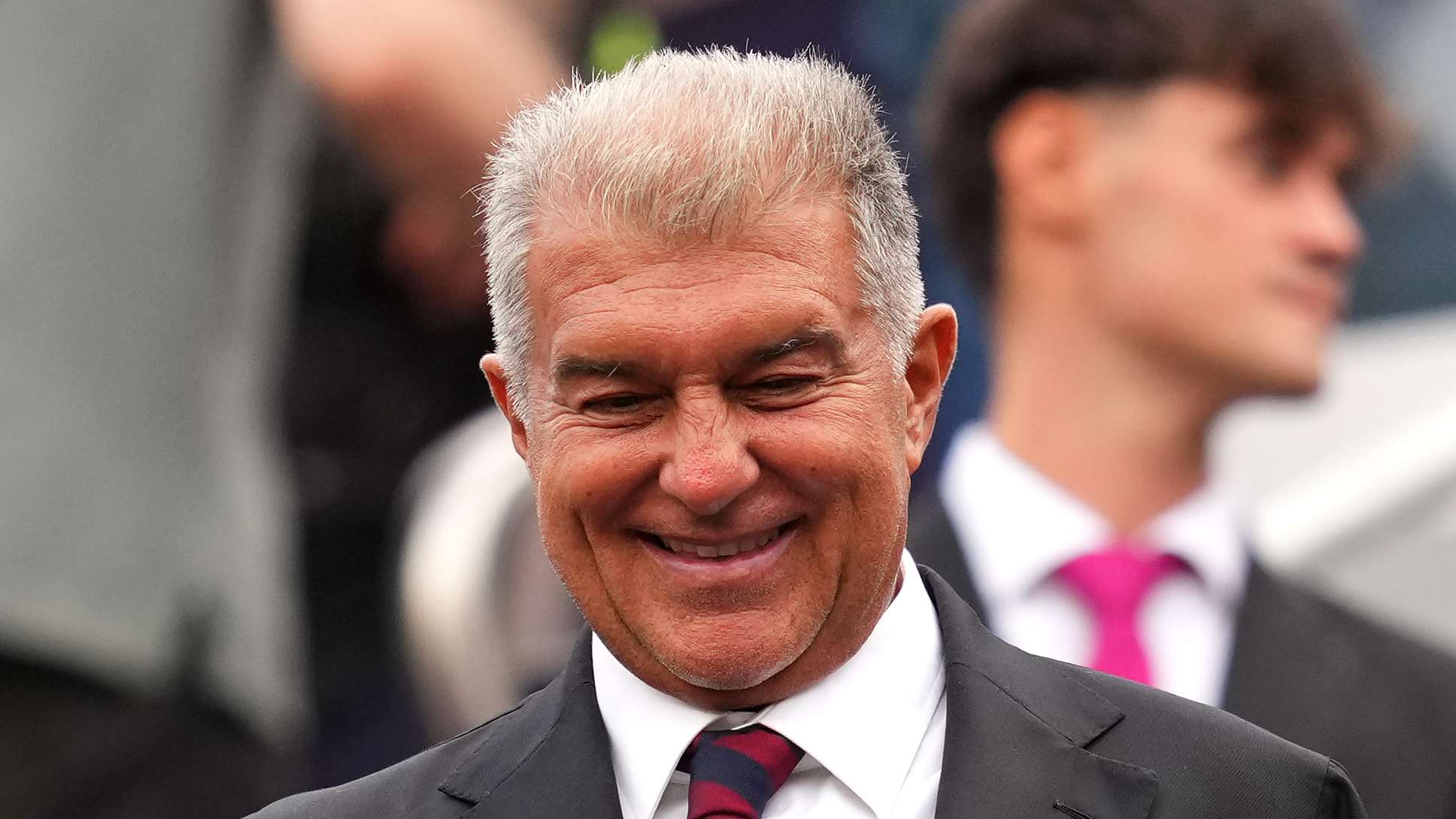
During a recent meeting with Barcelona club delegates, Joan Laporta candidly discussed the club’s efforts during the summer transfer window to secure Julian Alvarez from Atletico Madrid. According to Laporta, Barcelona made a significant move by submitting an official offer valued at €100 million, a substantial bid aimed at convincing Atletico to part ways with their prized asset.
How Did the Negotiations Unfold?
Despite Barcelona’s aggressive approach, Atletico Madrid’s leadership, particularly CEO Miguel Angel Gil Marin, made it clear that Alvarez was not for sale. Laporta revealed that Atletico refused to even entertain discussions about the transfer, citing a desire to retain the player unless a suitable replacement was lined up. This stance exemplifies the often complex negotiations that characterize high-stakes football transfers, where clubs weigh the value of their assets against the risks of selling.
Laporta recounted a direct exchange with Gil Marin, where he urged the Atletico chief executive to be transparent about their reasons for rejecting the offer. “I told him that if there were other reasons behind rejecting the deal, he should tell us about them, because the way they handled the matter was not appropriate,” Laporta stated. This indicates that behind the scenes, there may have been strategic or even political considerations influencing Atletico’s decision.
The Real Reason Behind Atletico’s Stance
While Atletico Madrid publicly maintained their stance that Alvarez was not for sale, Laporta hinted at a more complex reality. He suggested that Atletico revealed their true colors by indicating they would only sell Alvarez to clubs other than Barcelona. “In the end, they admitted they would sell the player to any club except Barcelona,” Laporta claimed, raising questions about possible underlying motives or competitive tensions.
Though Laporta refrained from accusing Atletico of any illicit dealings, he did mention that he has his own interpretation of the events but lacks concrete proof to substantiate any claims. This transparency underscores the competitive nature of football transfers, where clubs often play their cards close to their chest.
Current Squad and Future Outlook
Despite the disappointment surrounding the Alvarez transfer saga, Laporta emphasized that Barcelona is satisfied with its current squad composition. The club’s management and coaching staff are confident in the quality of the team, which has been carefully constructed to compete at the highest levels both domestically and in Europe.
He also praised the work of sporting director Deco, highlighting his role in building a balanced and competitive team. This acknowledgment reflects Barcelona’s strategic focus on nurturing talent and making shrewd signings that align with their football philosophy.
Challenges Facing Football Clubs: International Breaks and Player Welfare
Beyond transfer negotiations, Joan Laporta also voiced concerns about the increasingly congested football calendar, particularly the numerous international breaks. These interruptions, he argued, disrupt the rhythm of club teams and place additional strain on players, many of whom are juggling commitments at both club and national levels.
He cited the example of Raphinha, the talented winger who suffered an injury last season after a series of matches and extensive travel associated with international duties. Laporta mentioned that the club’s medical and technical staff had warned about such risks, emphasizing the importance of prioritizing player health amid a packed fixture schedule.
Furthermore, Laporta revealed that high-profile figures like German national team coach Hansi Flick have expressed concerns about fixture congestion and its impact on player welfare. This issue is increasingly relevant in modern football, where the proliferation of international tournaments and friendlies often compromise recovery time and performance quality.
What Does the Future Hold for Barcelona and Football Prediction Enthusiasts?
Looking ahead, football prediction analysts and fans are keen to understand how these challenges will influence Barcelona’s performance in upcoming matches and transfer strategies. The club’s focus on maintaining a balanced squad while navigating a congested calendar will be critical in shaping their results in La Liga and European competitions.
As Barcelona prepares for upcoming fixtures, including the crucial La Liga clashes against Real Madrid and Getafe, fans and experts alike will be watching closely. The next matches could serve as a barometer for whether the club’s strategic planning and squad resilience can overcome external pressures and unforeseen hurdles.
Conclusion: A Club in Transition with a Clear Vision
Joan Laporta’s openness about the Julian Alvarez transfer saga offers a glimpse into the complex world of football management and transfer negotiations. While the club’s pursuit of the Argentine star ultimately did not materialize, the episode underscores Barcelona’s determination to build a competitive team aligned with their long-term vision.
Furthermore, the broader discussion about fixture congestion and player health highlights ongoing challenges in modern football. As clubs like Barcelona adapt to these realities, fans and pundits will continue to analyze every move, prediction, and decision that shapes the future of football at both the domestic and international levels.
In sum, Barcelona remains a club driven by ambition and strategic planning, aiming to succeed both on the pitch and off it, despite the uncertainties and hurdles that lie ahead in the unpredictable world of football prediction and competition.