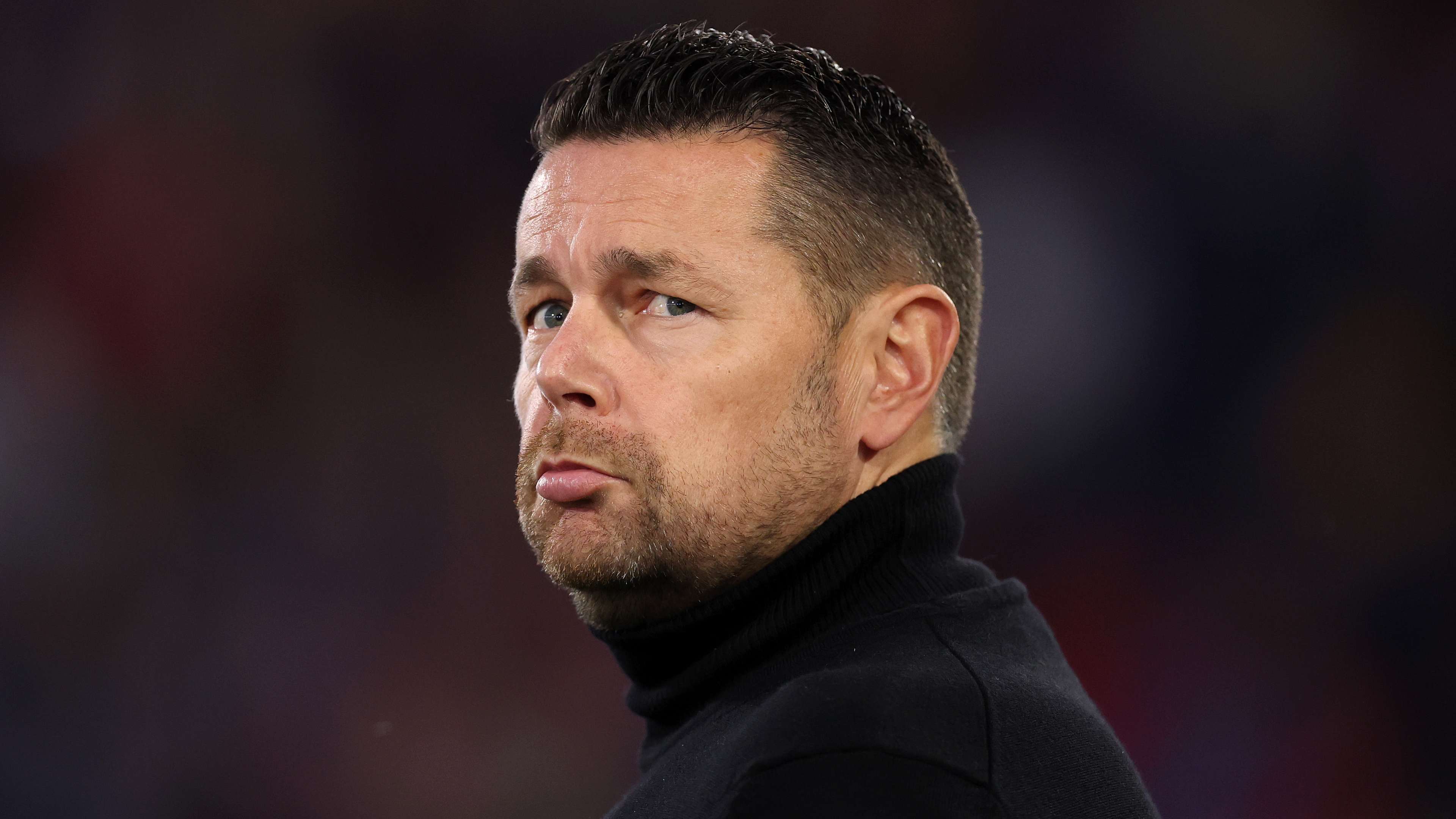


Breaking News: Former Football Captain Andrea Camplone in Critical Condition After Cardiac Arrest During Padel Match
In a shocking turn of events that has sent ripples through the football community and sports enthusiasts alike, Andrea Camplone, a renowned figure in Italian football, is currently fighting for his life following a severe cardiac incident. The 60-year-old former captain of Pescara Calcio experienced a sudden cardiac arrest during a casual padel game in Montesilvano, a seaside town renowned for its vibrant sports culture. This incident underscores the unpredictable nature of health emergencies, even among athletes and sports enthusiasts, and raises important discussions about health awareness and emergency preparedness in sports settings.
Background: Andrea Camplone’s Football Legacy
Before diving into the details of the recent incident, it’s essential to appreciate the distinguished career of Andrea Camplone, whose name resonates strongly within the Italian football scene. Born in Italy, Camplone’s journey through the sport has been marked by dedication, leadership, and resilience. He played as a central midfielder and later transitioned into a managerial role, leaving an indelible mark on various clubs, most notably Pescara Calcio. His leadership qualities earned him the captaincy at Pescara, where he became a symbol of perseverance and team spirit.
Throughout his career, Camplone was known for his tactical intelligence and ability to inspire teammates, qualities that made him a respected figure both on and off the pitch. His contributions extend beyond his playing days, as he has been involved in coaching and mentoring younger generations of footballers. This rich history makes the recent health emergency all the more concerning to fans and colleagues who continue to admire his dedication to the sport.
The Incident: Cardiac Arrest During Padel Game
What Happened on the Court?
On a seemingly ordinary day in Montesilvano, Andrea Camplone was engaged in a friendly game of padel—a fast-growing sport similar to tennis but played on smaller courts with walls. Midway through the match, Camplone suddenly collapsed on the court, exhibiting signs of a cardiac emergency. Witnesses recall that he appeared to experience severe chest pain and loss of consciousness, prompting immediate concern among spectators and fellow players.
Emergency Response and Medical Intervention
Paramedics were promptly called to the scene, and their rapid response played a crucial role in stabilizing Camplone. The medical team quickly administered advanced resuscitation techniques, including cardiopulmonary resuscitation (CPR) and the use of a defibrillator, to restore his heartbeat. The urgency and efficiency of the intervention likely saved his life, illustrating the importance of having trained medical personnel and emergency equipment readily available during sporting activities.
Following initial stabilization, Camplone was transported to a nearby hospital under the highest alert level—Code Red. Once admitted, he underwent an emergency hemodynamics procedure, a critical intervention aimed at restoring proper blood flow and cardiac function. The procedure’s success is vital to his recovery prospects, but his condition remains critical, emphasizing the unpredictable and serious nature of cardiac arrests.
Understanding Cardiac Arrest in Sports Context
The Risks and Realities
Cardiac arrest remains a leading cause of sudden death among athletes and physically active individuals worldwide. While regular exercise is generally beneficial for heart health, underlying conditions such as hypertrophic cardiomyopathy, coronary artery disease, or previous undetected cardiac issues can precipitate emergencies like the one Camplone experienced.
This incident highlights the importance of comprehensive health screenings, especially for individuals over 50 or those with a history of cardiovascular problems. It also underscores the need for sports facilities to be equipped with Automated External Defibrillators (AEDs) and for staff to be trained in emergency response protocols.
Sports Prediction and Health Awareness
In the realm of football and other sports predictions, the focus often centers on match outcomes, team performances, and player statistics. However, health and safety are equally critical, particularly when considering the physical demands placed on athletes. The Camplone incident serves as a stark reminder that even in leisure settings, health emergencies can strike unexpectedly, making prevention, awareness, and preparedness essential components of sports culture.
Community and Family Response
The news of Camplone’s condition has resonated deeply within the football community and beyond. Colleagues, former teammates, and fans have expressed their concern and support through social media and official statements. Several football clubs and sporting organizations are calling for increased awareness about cardiac health, advocating for regular screenings and emergency preparedness training.
His family and friends remain hopeful for his recovery, emphasizing his resilience and fighting spirit. The incident has sparked broader conversations about the importance of cardiovascular health checks for athletes and active individuals, regardless of age or fitness level.
Looking Ahead: The Road to Recovery and Preventative Measures
Medical Outlook
The immediate focus is on Andrea Camplone’s recovery, with medical teams closely monitoring his vital signs and making critical decisions regarding ongoing treatment. The emergency hemodynamics procedure performed is a vital step toward stabilizing his condition, but full recovery may depend on various factors, including the extent of cardiac damage and the effectiveness of post-operative care.
Lessons for the Sports Community
This incident serves as a wake-up call for sports organizations, coaches, and players to prioritize health and safety protocols. Implementing routine cardiovascular screenings, ensuring the availability of emergency medical equipment, and training staff in CPR and AED use can make a lifesaving difference in critical moments.
Moreover, as the popularity of sports like padel continues to grow, especially among older age groups, it becomes increasingly important to promote awareness about the signs of cardiac distress and the importance of regular health assessments.
Conclusion: A Call to Action for Health and Safety in Sports
Andrea Camplone’s sudden health crisis during a leisure game has brought to light the unpredictable nature of cardiac emergencies and the vital importance of preparedness in sports environments. His story is a poignant reminder that health should always be a priority, whether on the football pitch, tennis court, or padel court. As the football community and sports lovers around the world rally in support, this incident underscores the need for enhanced health protocols, regular screenings, and emergency readiness to protect athletes and active individuals alike.
While Camplone’s future remains uncertain, the hope is that his experience will inspire greater awareness, preventive measures, and swift emergency responses—ensuring that no other athlete or sports enthusiast faces a similar fate unprepared. As we continue to follow his recovery, let this serve as a catalyst for increased safety standards and a renewed commitment to health and well-being in the world of football and beyond.