
The Paradox of Manchester United: Why Stability Seems to Undermine Success
Manchester United, one of the most storied clubs in football history, continues to grapple with an unsettling pattern that threatens its quest for consistent success. Despite their legendary status and global fanbase, the club’s recent history reveals a troubling trend: instability within the managerial ranks appears to have a profound impact on team performance and overall club dynamics. This phenomenon raises an intriguing question for football enthusiasts and pundits alike: is the root of United’s struggles rooted in the individual managers, or does it stem from deeper, structural issues inherent to the club itself?
The Managerial Chameleon: A Tale of Two Worlds
One of the most perplexing aspects of Manchester United’s recent history is the stark contrast in team performance when a caretaker manager steps in versus when a permanent appointment is made. Typically, when a temporary boss takes charge—often amidst chaos, fan unrest, or poor results—the team responds with renewed vigor. Players seem to rally, results improve, and even the most dismal campaigns show signs of revival. This phenomenon is not unique to United but is particularly pronounced here, perhaps owing to the club’s intense spotlight and historical expectations.
However, this positive momentum tends to be short-lived. Once the club appoints a permanent manager, the atmosphere shifts dramatically. The team often reverts to old habits, results take a nosedive, and the club’s internal stability appears to crumble. This cyclical pattern has led many to question whether the issue lies with the managerial appointments or with the club’s broader culture and structure.
The Caretaker Effect: Breathing New Life
Let’s take a closer look at specific instances that illustrate this paradox. Ole Gunnar Solskjaer, a beloved figure and former player, experienced this firsthand. When he was appointed as a caretaker manager in late 2018, United showed signs of resurgence—playing attractive football, climbing the Premier League standings, and inspiring hope among fans. His temporary stint, though limited, demonstrated that the team could perform at a high level when freed from the pressures of a long-term project.
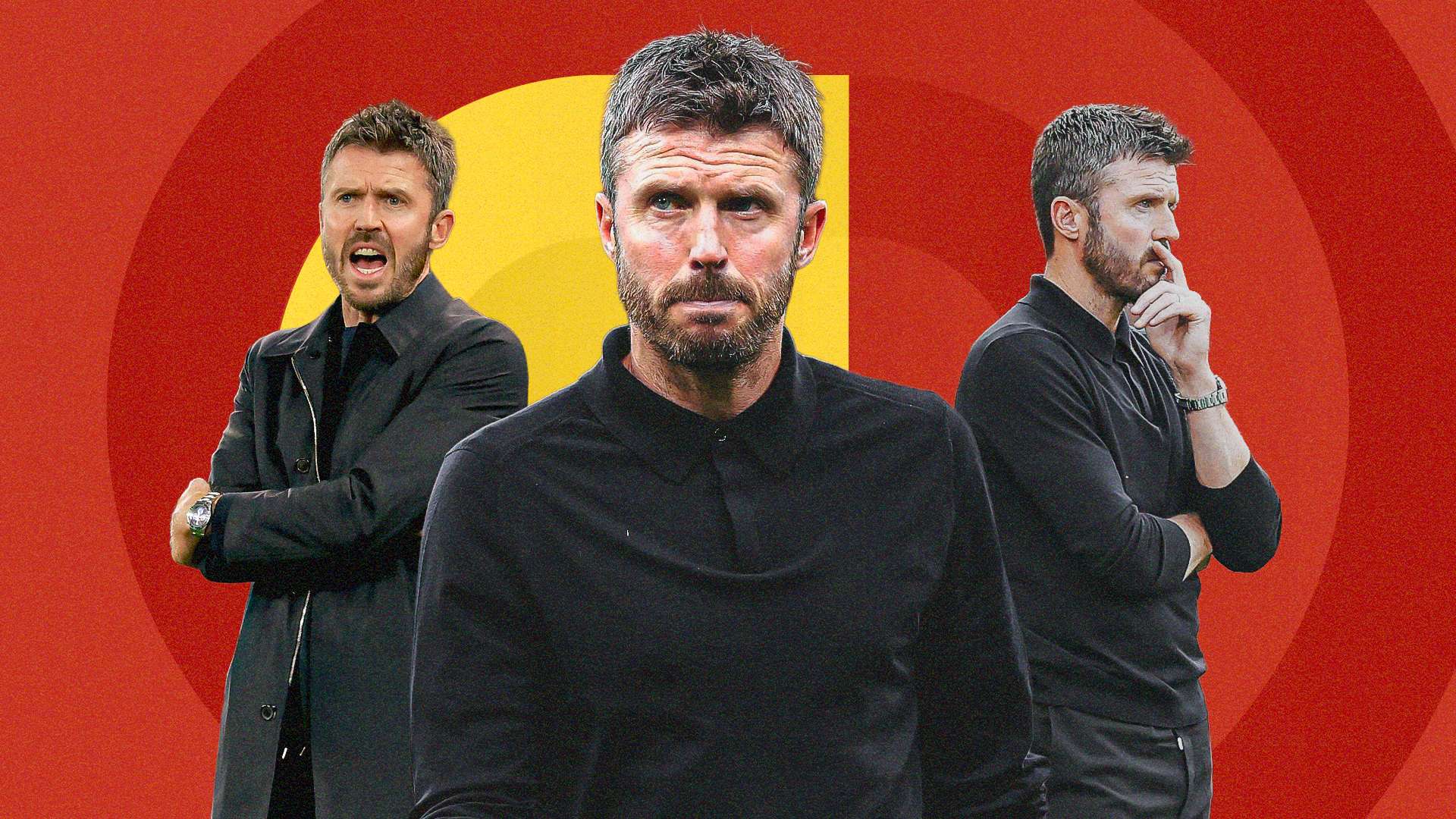
Similarly, Michael Carrick, currently serving as a caretaker following the departure of previous managers, has shown glimpses of promise. Under his leadership, the team has appeared more cohesive, and performances have been more spirited. Yet, the question remains: can these short-term boosts be sustained once a permanent appointment is made?
When the Full-Time Job Begins: The Cracks Appear
History suggests that once a caretaker is given the reins permanently, the magic often disappears. For Solskjaer, the transition from interim to full-time manager was marred by inconsistency and mounting pressure, culminating in his departure. The same pattern appears to be unfolding with Carrick, as the team struggles to replicate the spark seen during his caretaker tenure.
This recurring cycle prompts a broader discussion: is the issue rooted in managerial instability, or does Manchester United’s internal environment—its expectations, media scrutiny, and club culture—undermine long-term success? The club’s history of high-profile managerial changes, coupled with intense external pressures, appears to create a volatile environment that hampers sustainable progress.
Analyzing the Roots of Manchester United’s Instability
To understand the core of the problem, it’s essential to examine the structural and cultural factors at play. Manchester United has always been a club driven by high expectations and a desire for immediate success. This has led to a tendency to prioritize short-term results over long-term planning, often resulting in managerial changes when results falter.
Moreover, the club’s recruitment strategy and squad management have sometimes been inconsistent, further complicating the manager’s ability to implement a coherent playing philosophy. The pressure from fans and media can lead to reactive decision-making, rather than strategic planning, which exacerbates instability.
Implications for Football Prediction and Future Prospects
For football fans and analysts interested in prediction models, Manchester United presents a compelling case study. The team’s performance appears highly sensitive to managerial stability, squad cohesion, and external pressures. Predicting United’s future success requires a nuanced understanding of these interconnected factors.
Additionally, the club’s upcoming transfer strategies and youth development initiatives could play pivotal roles in stabilizing the team. Investing in long-term projects and fostering a resilient club culture may help break the cycle of instability and enable United to regain its status as a dominant force in football.
The Road Ahead: Can Manchester United Break Free?
While the pattern of instability seems entrenched, there are reasons to remain optimistic. The appointment of a visionary, long-term manager with a clear football philosophy could be the catalyst needed to transform United’s fortunes. Furthermore, embracing a more measured approach to squad building and managing external expectations might create a more sustainable environment for success.
In the end, the question of whether the problem lies with the managers or the club itself remains open. However, what is clear is that Manchester United must address its internal culture and structural issues if it hopes to restore its former glory. The journey to stability and success is complex, but with strategic planning and unwavering commitment, the Red Devils can overcome their current challenges.
Join the Conversation
Football enthusiasts and fans are encouraged to share their insights and predictions about Manchester United’s future on specialized platforms like “Kooora” forums. Engaging in these discussions can provide diverse perspectives and deepen understanding of the intricate dynamics at play within one of football’s most iconic clubs.
As the club navigates this turbulent period, one thing remains certain: the path to consistent success at Manchester United requires more than just managerial appointments. It demands a comprehensive overhaul of its internal culture, strategic vision, and long-term planning. Only then can the club hope to dispel the paradox of instability and reclaim its rightful place at the pinnacle of football.