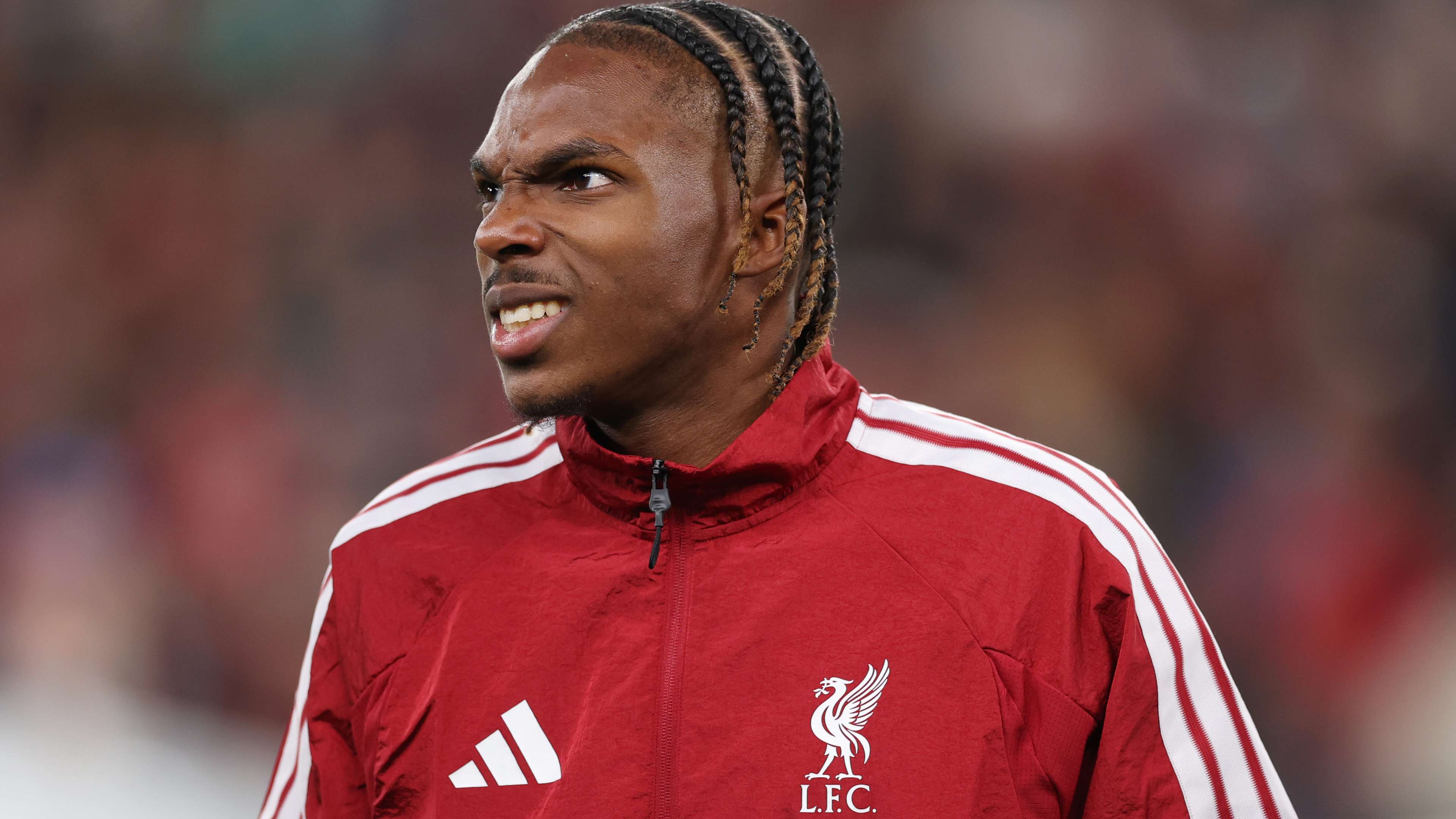


Paris Brunner Responds to Controversy Over His Celebratory Gesture During Monaco’s Match at Strasbourg
In the world of football, player celebrations often generate as much debate as the game itself. Recent events during the Ligue 1 clash between AS Monaco and Strasbourg have once again brought this phenomenon into focus. German forward Paris Brunner found himself at the center of a heated controversy following his post-goal celebration that drew widespread criticism from fans, pundits, and media alike. Brunner’s emphatic gesture, which appeared to be a throat-slitting motion, sparked a fierce backlash, raising questions about the boundaries of expressive celebrations in football.
Background of the Incident: A Goal Amidst Tensions
The match between Monaco and Strasbourg was a tense affair, with both teams fighting hard for crucial points in the league standings. Monaco’s Paris Brunner scored an equalizer in the 78th minute, a goal that reignited hope for the visitors. However, it was his subsequent celebration that became the focal point of controversy. The German striker performed a gesture resembling a throat-slitting motion, which many perceived as provocative and disrespectful, especially considering the passionate atmosphere of the fixture.
Football celebrations can often be a double-edged sword. While some players choose to express their joy exuberantly, others use gestures to send messages—whether to critics, opponents, or even fans. Brunner’s celebration was scrutinized heavily on social media, with many condemning it as inappropriate and inflammatory. The incident quickly gained traction across various platforms, prompting widespread debate about the appropriateness of such gestures in the beautiful game.
Brunner Breaks Silence: Clarifying His Intentions
In the aftermath of the match, Paris Brunner addressed the mounting criticism in a candid interview. The forward emphasized that his gesture was not intended as a sign of disrespect or provocation. Instead, he revealed that his actions were rooted in a deeply personal and emotional context, which he felt compelled to share publicly.
“My celebration was not meant to offend anyone,” Brunner explained. “It was a way for me to express my frustration and the emotional toll that certain incidents at the stadium had taken on my family. Before the match, some home fans directed hostile comments towards my loved ones, which deeply affected me. When I scored, I wanted to channel that emotion in a way that felt authentic to my feelings.”
The player went on to clarify that his gesture was a symbolic representation of overcoming adversity, rather than an act of aggression or hostility towards Strasbourg supporters or anyone else. He expressed regret if his actions caused offense but reaffirmed that his intentions were rooted in a desire to stand up against personal attacks and to highlight the emotional pressure athletes often face in high-stakes matches.
The Broader Context: Football Celebrations and Emotional Expression
Brunner’s explanation shines a light on a broader conversation within the football community about the nature of player celebrations and the limits of expressive conduct on the pitch. In recent years, football authorities and fans have grappled with the fine line between celebrating passionately and crossing into provocative or offensive territory.
While some celebrations—such as goal dances, hand gestures, or symbolic motions—are generally accepted, others have sparked controversy, especially when they are perceived as disrespectful or inflammatory. The debate often revolves around cultural sensitivities, individual player backgrounds, and the context of the celebration itself.
In this case, Brunner’s defenders argue that players should be allowed to express their emotions freely, especially when they are under immense pressure or facing personal challenges. Critics, however, contend that certain gestures can escalate tensions, incite hostility, or diminish the sport’s reputation for sportsmanship and respect.
Implications for Football Prediction and Fan Engagement
From a predictive analytics perspective, incidents like this add an interesting layer to football predictions and fan engagement strategies. Fans and analysts often consider player mentality, emotional resilience, and recent controversies when forecasting match outcomes and player performance.
Understanding the emotional states of players, especially in emotionally charged moments, can influence predictions about their subsequent performances. For instance, a player who channels personal adversity into their play may perform with increased determination, impacting team results. Conversely, controversies can also distract players or affect team cohesion, thereby influencing predictive models for upcoming fixtures.
Moreover, such incidents impact fan engagement. Fans tend to rally around players who show authenticity and emotional transparency, even if their gestures are controversial. Conversely, negative reactions to provocative celebrations can lead to polarized opinions, affecting online discussions, betting markets, and overall league viewership.
Looking Ahead: The Future of Celebrations in Football
As football continues to evolve, so too does the conversation surrounding player celebrations. League officials, clubs, and players are increasingly aware of the importance of maintaining respect and sportsmanship on the pitch. Many governing bodies have issued guidelines to prevent celebrations that could be deemed provocative or offensive, aiming to preserve the sport’s integrity.
At the same time, players like Paris Brunner remind us that football is a highly emotional game, often reflecting personal struggles, cultural expressions, and moments of triumph. Striking a balance between passionate expression and respectful conduct remains a challenge for the sport’s stakeholders.
Expert Opinions and Fan Reactions
Football pundits have weighed in on the controversy, with some emphasizing the importance of context and intent. Former players and commentators have pointed out that understanding the personal circumstances behind celebrations can foster more empathetic reactions from fans and officials alike. Others advocate for clearer boundaries to prevent celebrations from escalating tensions or leading to confrontations.
Fan reactions have been equally divided. Some supporters appreciate the authenticity and emotional depth behind Brunner’s gesture, viewing it as a form of personal catharsis. Others believe that such actions undermine the spirit of fair play and respect that should underpin football matches.
Conclusion: A Reflection of Football’s Complex Emotional Landscape
The controversy surrounding Paris Brunner’s goal celebration during Monaco’s match at Strasbourg underscores the complex emotional landscape of modern football. As the sport continues to grow globally, so do the conversations about player conduct, fan behavior, and the boundaries of expressive celebration.
Ultimately, Brunner’s explanation highlights the importance of understanding personal context and emotional expression in football. While celebrations can unite or divide, they always serve as a mirror of the intense passions that make football the beloved sport it is worldwide.
Predicting the Future: How Incidents Like These Shape Football’s Path
Looking ahead, football authorities are likely to refine guidelines on celebrations, balancing the need for expressive freedom with respect and sportsmanship. For fans and analysts alike, such incidents add a layer of unpredictability and depth to football prediction models, emphasizing the sport’s human element.
In conclusion, Paris Brunner’s situation serves as a reminder that behind every goal and celebration lies a story—one that resonates with players’ personal journeys and the emotional stakes of the beautiful game. As football continues to evolve, embracing authenticity while fostering respect will be key to sustaining its global appeal and integrity.