
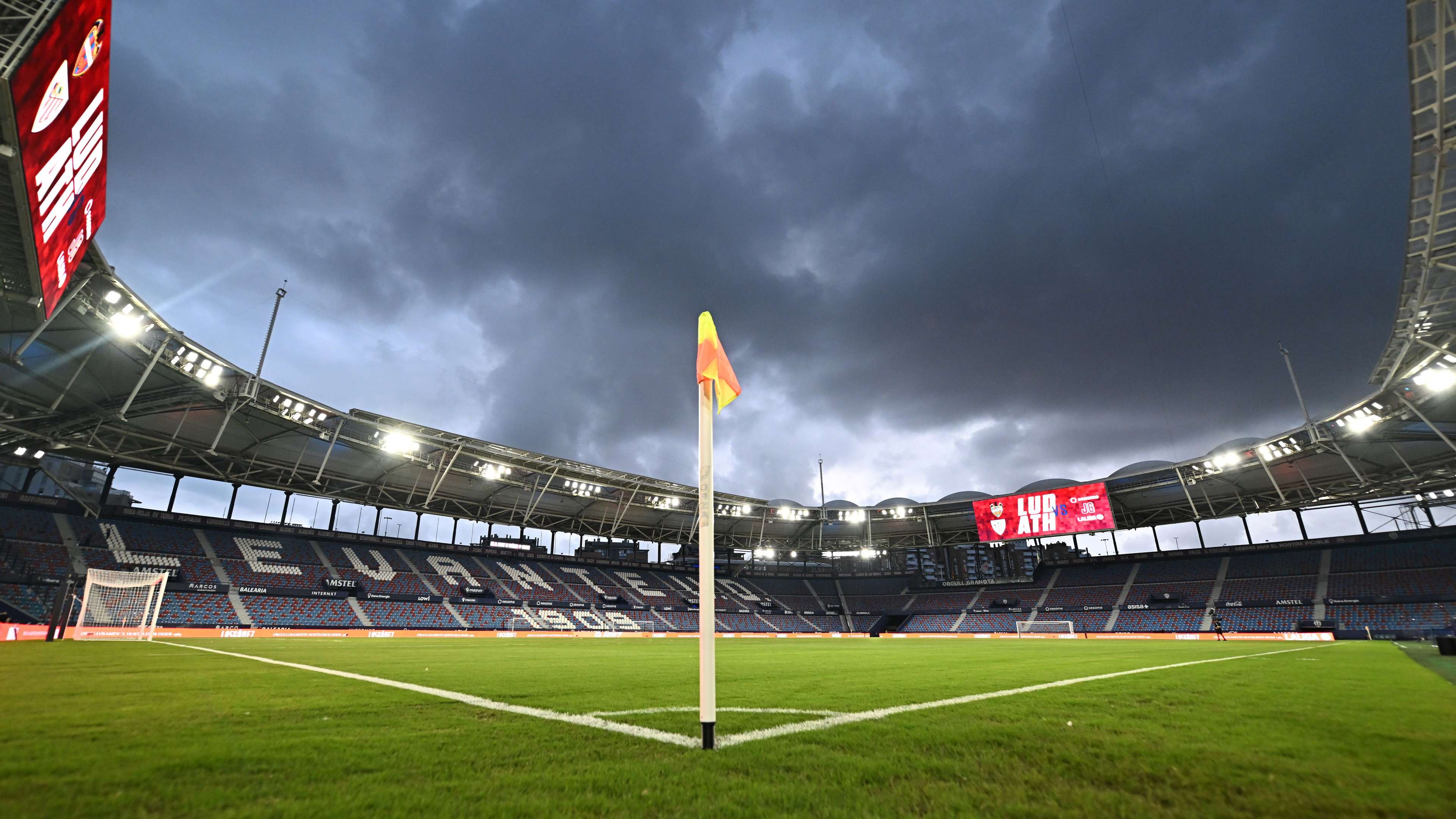

Last-Minute Cancellation of LaLiga Match Between Levante and Athletic Club Due to Severe Weather Conditions
In a dramatic turn of events, one of the most anticipated fixtures in LaLiga’s ongoing season was abruptly called off on Wednesday evening, leaving fans and analysts eager to understand the circumstances behind the sudden cancellation. The match between Levante UD and Athletic Club, initially scheduled to kick off at 9:30 PM local time in Valencia, was abandoned just moments before kickoff amid relentless rainfall and worsening weather conditions. This unexpected development has sparked discussions about the impact of weather on football predictions and scheduling, emphasizing the importance of safety and contingency planning in professional sports.
Unfolding of Events: How the Match Was Called Off
The evening’s events unfolded rapidly. Both teams had already stepped onto the pitch and begun their warm-up routines when the skies suddenly opened, unleashing a torrential downpour that caught everyone unprepared. Footage emerging from the scene vividly captured the severity of the situation: puddles forming on the pitch, water streaming into the players’ tunnel, and the field quickly becoming unplayable.
As the rain intensified, the refereeing team, after a thorough assessment and consultation with the competition organizers, made the crucial decision to postpone the match. The safety of players, officials, and spectators was prioritized, recognizing that playing conditions had deteriorated beyond acceptable limits. The pitch, which under normal circumstances would host a dynamic and competitive football match, was rendered unfit for play, prompting the officials to call off the fixture with immediate effect.
Weather Warnings and the Impact on LaLiga Fixtures
The decision was not made in isolation. Earlier in the day, the Spanish meteorological service issued an orange weather warning for the Valencia region, indicating the potential for severe weather phenomena, including heavy rain and thunderstorms. The forecast predicted that such meteorological conditions could persist for several hours, further complicating scheduling and safety considerations.
This incident underscores the unpredictable nature of weather and its profound influence on football predictions and fixture planning. When extreme weather strikes, leagues often face difficult decisions—balancing the integrity of the competition with safety concerns. In this case, the postponement of the Levante vs. Athletic Club match highlights the importance of flexible scheduling and proactive contingency measures in modern football.
Implications for LaLiga and Future Fixtures
The cancellation has left fans and clubs in a state of anticipation, awaiting official announcements regarding the rescheduling of the fixture. Typically, such matches are rearranged within the league’s fixture calendar, but specific dates depend on various logistical factors, including fixture congestion and broadcasting commitments.
For Levante, who are currently positioned 14th in LaLiga with five points from five matches, the postponement might impact their momentum. The club narrowly avoided relegation last season, and every point remains crucial in their quest for stability in Spain’s top flight. Meanwhile, Athletic Bilbao, sitting comfortably in ninth place with seven points, see this as an unforeseen hiccup in their season’s progress but remain optimistic about their upcoming fixtures.
Analyzing the Football Prediction Landscape Amid Weather Disruptions
Weather-related disruptions can significantly influence football predictions, especially when analyzing team performances and potential outcomes. Heavy rain, for instance, often favors physically robust teams or those adept at playing in adverse conditions. Conversely, it can hinder technical teams that rely on precise passing and quick ball control.
In the context of LaLiga, where tactical flexibility and player adaptability are key, unexpected weather events serve as critical variables in football predictions. Analysts often incorporate weather forecasts into their predictions to refine their forecasts, understanding that a match’s outcome can hinge on elements outside pure skill or form. The recent cancellation of the Levante vs. Athletic Club fixture exemplifies how weather forecasts can directly influence betting odds, fan expectations, and strategic planning for clubs.
The Broader Context: Climate and Sports Safety
This incident also raises broader questions about climate variability and its impact on sporting events globally. With climate change leading to more unpredictable and extreme weather patterns, leagues worldwide are increasingly faced with the challenge of safeguarding players and spectators. Incorporating advanced weather monitoring systems, flexible scheduling, and clear safety protocols are now vital components of sports management.
Football associations and clubs are encouraged to develop comprehensive contingency plans, including standardized procedures for match postponements and rescheduling. Such measures not only ensure player safety but also preserve the integrity of the competition, maintaining fairness and unpredictability—core elements that fans cherish in football.
Looking Ahead: What’s Next for LaLiga and Football Fans?
As the weather clears and conditions improve, officials will work to reschedule the postponed fixture. Fans are advised to stay tuned to official LaLiga channels and club websites for updates. Meanwhile, the incident serves as a reminder for fans and punters alike to consider weather conditions when making football predictions or placing bets, as unforeseen disruptions can dramatically alter expected outcomes.
In the broader scope of football prediction analysis, this event underscores the importance of factoring in external variables like weather, pitch conditions, and safety considerations. With climate patterns becoming more volatile, football predictions will increasingly need to incorporate real-time data and scenario planning to remain accurate and reliable.
Conclusion
The last-minute cancellation of the Levante versus Athletic Club match is a testament to the unpredictable nature of football and the environment in which it is played. While disappointing for fans eager to see top-tier LaLiga action, the decision underscores the primacy of safety and fairness in sports. As the league navigates the challenges posed by extreme weather, it also highlights the evolving landscape of football prediction, where external factors are now integral to accurate forecasting and strategic planning.
Ultimately, this incident serves as a valuable lesson for the football community worldwide: preparedness and adaptability are essential in ensuring the sport continues to thrive amidst the growing impacts of climate change. Fans, teams, and organizers must work together to ensure safety, fairness, and the continued excitement that makes football the beautiful game.