
Inter Milan’s Former Sporting Director Marco Branca Shares Insider Insights on Transfers, Controversies, and the Beautiful Game
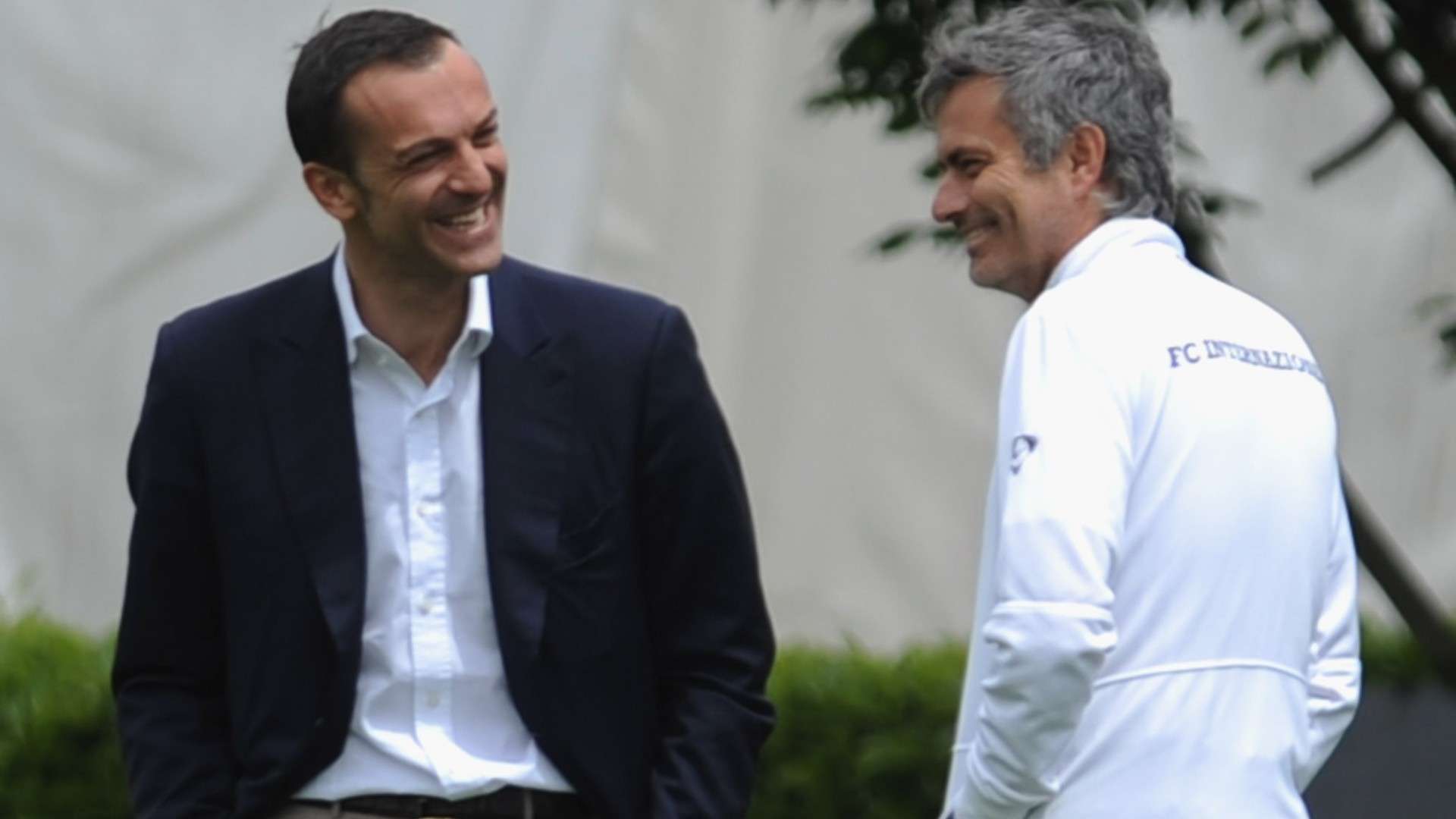
In a revealing interview with Gazzetta dello Sport, Marco Branca, the former sporting director of Inter Milan, offers an in-depth look into his extensive career at one of Italy’s most prestigious football clubs. Now operating as a football agent, Branca’s candid reflections shed light on the inner workings of the transfer market, the challenges of managing a top-tier team, and the complex relationships that shape football’s unpredictable landscape. His insights are a treasure trove for fans, analysts, and aspiring sports directors alike, providing a nuanced understanding of how decisions are made behind the scenes in elite football.
Unveiling the Drama Behind the Transfers: Branca’s Perspective
Strategic Moves and Transfer Triumphs
During his tenure at Inter Milan, Marco Branca was responsible for orchestrating some of the most pivotal transfer deals in the club’s history. His ability to identify undervalued talent and negotiate favorable terms was instrumental in strengthening the Nerazzurri’s squad during a highly competitive era. Notably, Branca played a key role in bringing in players who would go on to become club legends, such as Wesley Sneijder and Samuel Eto’o, both of whom significantly contributed to Inter’s success, including their historic treble-winning season in 2010.
Branca emphasizes that successful transfers are often the result of meticulous scouting, understanding market dynamics, and maintaining strong relationships with agents and club executives worldwide. His approach combined a keen eye for talent with strategic patience, often securing deals that balanced immediate impact with long-term potential.
Controversial Decisions: Keeping Players Against All Odds
One of the most intriguing aspects of Branca’s interview revolves around the tough decisions he had to make—particularly, those involving keeping players who were underperforming or facing internal dissent. He candidly discusses instances where he stood firm in his convictions, resisting external pressure from fans, management, or media narratives.
For example, Branca recounts situations where he chose to retain certain squad members despite widespread criticism, believing in their potential to turn things around. These decisions often reflected a deeper understanding of team dynamics and player development, underscoring the complex nature of building a cohesive and competitive squad.
Frictions with Mourinho and Vieri: Behind the Scenes Tensions
The interview also provides fresh insights into the often turbulent relationships with high-profile figures such as José Mourinho and Christian Vieri. Branca reveals the intense negotiations and disagreements that sometimes arose during transfer windows and strategic planning. While Mourinho’s managerial tactics sometimes clashed with transfer strategies, Branca underscores that such friction was part of the broader process of striving for excellence.
Regarding Vieri, Branca reflects on the challenges of managing star players with strong personalities and large egos. Despite these hurdles, he emphasizes the importance of maintaining professionalism and finding common ground to ensure team cohesion.
The Transfer Market: Lessons Learned and Future Predictions
High-Profile Deals and Missed Opportunities
Branca reflects on some of the most significant deals that defined his career, both successful and missed. He discusses how competitive the transfer market can be, especially when competing against top European clubs with vast financial resources. Some players he targeted for Inter eventually moved elsewhere, where they flourished, highlighting the unpredictable nature of football transfers.
He points out that missing out on certain talents often hinges on timing, financial constraints, or strategic priorities. For example, some promising young players who initially seemed like perfect fits later proved to be elusive targets, underscoring the importance of accurate prediction and market insight.
Predicting Future Trends in Football Transfers
Looking ahead, Branca offers his predictions for the evolution of the football transfer market. He believes that data analytics, player performance metrics, and AI-driven scouting will increasingly influence decision-making processes. Furthermore, the globalization of football markets, driven by emerging leagues and expanding fanbases, will create new opportunities—and challenges—for clubs seeking to identify the next big star.
He also emphasizes the importance of sustainability and financial fair play, advocating for a balanced approach that prioritizes long-term club stability over short-term gains. This perspective aligns with the growing trend among top clubs to adopt smarter, more strategic transfer policies.
Football Predictions: The Role of Transfer Market Insights in Shaping Success
How Transfer Predictions Impact Team Performance
In the context of football, accurate prediction of transfer market trends can be the difference between a club’s success and mediocrity. Clubs that leverage advanced analytics and market insights are better positioned to acquire players who fit their tactical schemes and cultural ethos. This strategic foresight can lead to sustained success on the pitch, as evidenced by teams like Inter Milan during their dominant periods.
Building a Winning Strategy with Transfer Market Intelligence
For fans and analysts, understanding the nuances of transfer predictions offers a richer appreciation of how clubs operate. It also highlights the importance of patience and strategic planning in football, where immediate results often mask the longer-term vision that guides transfer decisions. As the game continues to evolve, so too will the methods clubs use to predict and execute successful transfers, making this an exciting era for football enthusiasts and industry insiders alike.
Final Thoughts: The Art and Science of Building a Successful Football Team
Marco Branca’s candid insights serve as a reminder that football is as much about strategic planning, negotiation, and prediction as it is about the game itself. His experiences underscore the importance of balancing ambition with prudence, passion with professionalism, and prediction with adaptability. As the football landscape continues to change rapidly, the ability to accurately forecast transfer market trends will remain a crucial skill for clubs aiming for sustained success.
Whether you’re a dedicated supporter interested in the intricacies of player transfers or a budding football executive eager to understand the art of prediction in the transfer market, Branca’s reflections offer valuable lessons. As the sport’s global reach expands, the intersection of prediction, strategy, and performance will define the future of football—making every transfer, prediction, and decision more significant than ever.
Stay tuned for more expert insights into the world of football, where prediction and performance go hand in hand in shaping the beautiful game’s future.