
Gianni Infantino Defends Mandatory Hydration Breaks at World Cup
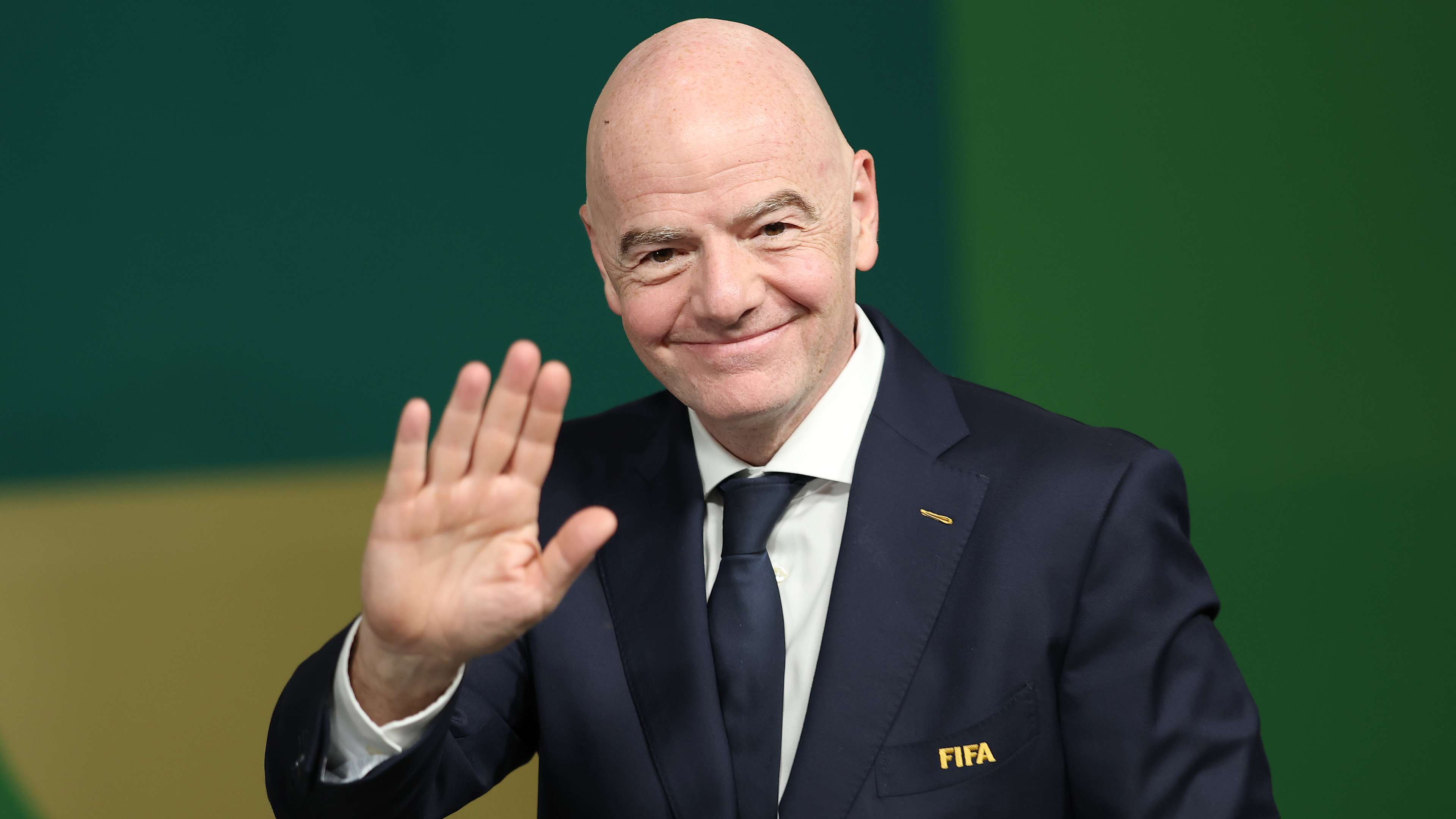
The President of FIFA, Gianni Infantino, has recently come under fire for the mandatory hydration breaks that have been implemented at the World Cup. However, Infantino has vehemently denied accusations that FIFA introduced these stoppages solely for financial gain.
Criticism from Fans and Pundits
Fans and pundits alike have heavily criticized the mandatory hydration breaks, claiming that they disrupt the flow of matches and act as additional television advertising slots for broadcasters. Many have argued that these breaks take away from the excitement of the game and are unnecessary in football.
Despite the backlash, Infantino has stood firm in his defense of the hydration breaks, stating that the health and well-being of the players is of utmost importance. He emphasized that staying hydrated is crucial for the athletes’ performance on the field, especially in the intense heat of a World Cup match.
Player Safety and Performance
Infantino highlighted the importance of player safety and well-being, pointing out that dehydration can lead to serious health issues and impact the players’ performance. By implementing mandatory hydration breaks, FIFA aims to ensure that the players are able to perform at their best and avoid any potential health risks.
These breaks allow the players to refuel, rehydrate, and recharge, ultimately benefiting their overall performance on the field. While some may see them as interruptions to the game, Infantino stressed that they are necessary for the players’ health and safety.
Response to Criticism
In response to the criticism from fans and pundits, Infantino expressed his understanding of their concerns but reiterated that the hydration breaks are essential for the well-being of the players. He urged critics to consider the bigger picture and prioritize the health and safety of the athletes above all else.
Infantino also addressed the accusations of the breaks being used for financial gain, stating that FIFA’s primary concern is the welfare of the players and not monetary profit. He assured the public that the decision to implement hydration breaks was made with the players’ best interests in mind.
Conclusion
As the debate over mandatory hydration breaks at the World Cup continues, Gianni Infantino remains steadfast in his defense of the decision. While criticism persists, Infantino’s commitment to player safety and performance is unwavering, emphasizing the importance of keeping athletes hydrated and healthy on the field.
Ultimately, the mandatory hydration breaks serve to prioritize the well-being of the players and ensure that they are able to perform at their best during the high-stakes matches of the World Cup.
Despite the controversy surrounding the breaks, FIFA stands by their decision, highlighting the importance of player safety above all else in the world of football.
Evidence Supporting Hydration Breaks
Research has shown that staying properly hydrated is crucial for athletes’ performance, particularly in high-intensity sports like football. Dehydration can lead to decreased cognitive function, muscle cramps, and even heat-related illnesses. By incorporating hydration breaks into matches, FIFA is taking proactive measures to prevent these issues and ensure that players are able to perform at their peak levels throughout the game.
Furthermore, studies have indicated that even minor dehydration can have a significant impact on an athlete’s physical and mental abilities. By providing players with dedicated time to rehydrate and replenish their electrolytes, FIFA is ultimately investing in the overall quality of the matches and the players’ well-being.
Consideration of Environmental Factors
Another important aspect to consider is the environmental conditions in which World Cup matches are often played. In many host countries, temperatures can soar, leading to sweltering conditions on the field. These extreme climates can increase the risk of dehydration and heat-related illnesses among players.
Given these challenges, the implementation of hydration breaks becomes even more crucial. By allowing players to cool down, rehydrate, and recover, FIFA is not only prioritizing their health but also ensuring that the matches are played at the highest possible standard, regardless of the environmental challenges.
Adaptation to Changing Game Dynamics
Football has evolved over the years, with players becoming faster, stronger, and more technically skilled. As the game continues to progress, the demands placed on athletes have also increased. This shift necessitates a reevaluation of traditional practices to ensure that players are adequately supported in meeting these evolving demands.
Implementing hydration breaks represents a proactive approach to adapting to the changing dynamics of the game. By incorporating these breaks, FIFA acknowledges the heightened physical exertion required of modern footballers and provides them with the necessary resources to perform optimally.
Future Implications and Considerations
Looking ahead, the debate surrounding mandatory hydration breaks is likely to persist as football evolves and new challenges arise. As the global governing body of the sport, FIFA must continue to assess the impact of these breaks on the game while prioritizing player welfare and performance.
Striking a balance between tradition and innovation will be key in ensuring that football remains a safe and competitive sport for players at all levels. By engaging with stakeholders, including fans, players, and medical experts, FIFA can refine its approach to hydration breaks and other initiatives aimed at enhancing player well-being.
Ultimately, the goal is to create an environment where players can thrive and showcase their talents without compromising their health or safety. As the sport continues to evolve, FIFA’s commitment to innovation and player welfare will be essential in shaping the future of football.
By exploring the scientific rationale behind hydration breaks, considering environmental factors, and adapting to the changing dynamics of the game, FIFA can further solidify its position on the importance of player safety and performance in football.