
Morocco’s Abdessamad Ezzalzouli Faces Social Media Storm After Wearing ‘We Are All Kabayas’ Shirt
The world of football often intertwines with politics and social issues, and recent events involving Moroccan winger Abdessamad Ezzalzouli have once again highlighted this complex relationship. Known for his talent on the pitch and his roots in Morocco, Ezzalzouli, who plays for Real Betis and the Moroccan national team, became the center of a heated controversy after donning a shirt bearing the slogan “We are all Kabayas”. This gesture, aimed at showing solidarity with the residents of Ceuta, has ignited a wave of insults, threats, and intense debate across social media platforms, reflecting the deep-seated tensions surrounding the disputed city and its significance in regional geopolitics.
The Context Behind the ‘We Are All Kabayas’ Movement
Ceuta, a Spanish autonomous city located on the north coast of Africa, has long been a flashpoint in Morocco-Spain relations. While Spain governs Ceuta, Morocco claims sovereignty over the city, considering it part of its territory. The term “Kabayas” is a colloquial way to refer to the residents of Ceuta, often used in conversations emphasizing cultural and national identity. Recently, various groups within Morocco and sympathizers worldwide launched initiatives to express support for Ceuta’s inhabitants, emphasizing their Moroccan roots and cultural ties.
In this context, several football clubs and players, including Ezzalzouli, participated in solidarity campaigns, wearing shirts with the slogan “We are all Kabayas” during matches. The gesture was intended to highlight the shared history, cultural bonds, and the ongoing dispute over the city’s sovereignty. Such acts of solidarity are not new in football, where players often use their platform to send political messages or advocate for social causes. However, these actions can also lead to controversy, especially in regions where territorial disputes remain unresolved and sensitive.
From Solidarity to Social Media Backlash
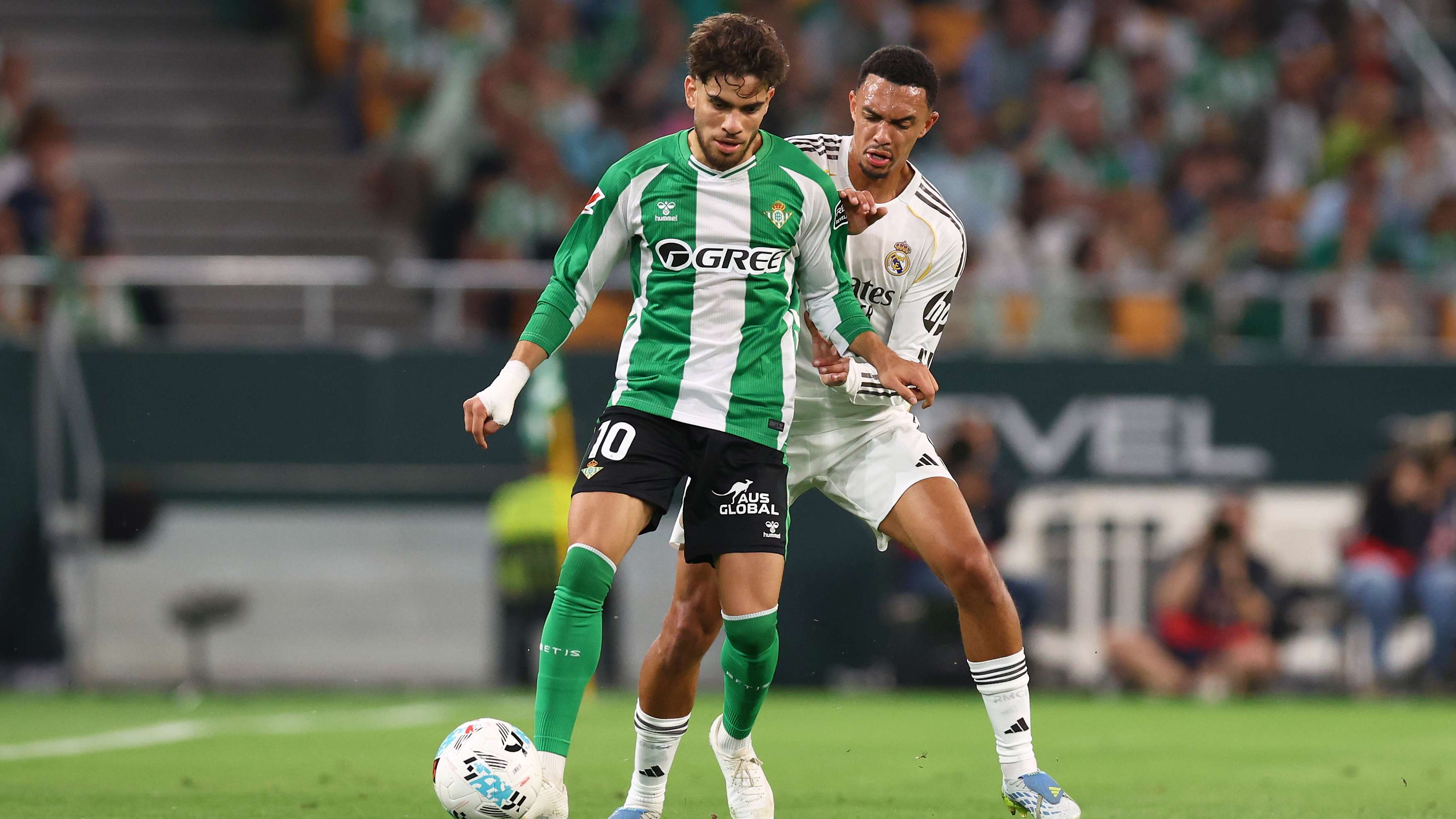
On the day of the match between Real Betis and Villarreal, Ezzalzouli, born in Beni Mellal and raised in Elche, appeared on the field wearing the shirt bearing the slogan. The move was met with mixed reactions—some praised the gesture as a brave show of support and solidarity, while others condemned it as provocative and disrespectful to Spanish sovereignty.
Unfortunately, the controversy quickly spilled over onto social media, where Ezzalzouli became the target of a barrage of insults and threats. Many users took to platforms like Twitter and Instagram to express their outrage, with some messages crossing the line into hostility and intimidation. This backlash underscores the volatile nature of social media debates surrounding sensitive political issues, especially when intertwined with the passionate world of football prediction and fandom.
The Nature of the Insults and Threats
The comments ranged from political accusations to personal insults. One message stated: “Betraying the homeland is not a passing stance, but a disgrace that remains in the memory of history. The homeland is not for sale, and whoever sells it loses respect before he loses his homeland.” This highlights the perception among some that supporting Ceuta’s Moroccan identity equates to betrayal in the eyes of certain fans or political groups.
Another user declared: “Whether you like it or not, Ceuta and Melilla are Moroccan, and they will always remain so.” The sentiment reflects a persistent claim by Morocco over the two cities, which has historically been a point of national pride and political contention. Several comments explicitly threatened Ezzalzouli’s safety, with one warning: “Today you will live among us in terror, and tomorrow you will go through the worst hour of your life.”
More straightforward statements such as “Ceuta is Moroccan” and “The last time we see him with the national team will be a lesson” demonstrate the deep emotional and political stakes involved. Many supporters emphasize that “history cannot be erased,” asserting that gestures of solidarity are rooted in centuries of shared history and cultural bonds that transcend political boundaries.
Implications for Football and Prediction Strategies
This incident raises important questions about the role of football as a platform for political expression and the potential impact on players’ careers and their ability to participate in football prediction markets. While athletes like Ezzalzouli are entitled to express their beliefs, the repercussions can be significant, ranging from social backlash to professional consequences.
For fans and analysts involved in football prediction, understanding the broader socio-political context is crucial. The controversy surrounding Ezzalzouli underscores how political sentiments can influence public perception, team dynamics, and even betting markets. As football increasingly intersects with geopolitics, accurate prediction models must account for these factors, recognizing that players’ actions off the pitch can have ripple effects on team morale and international relations.
Historical Significance and the Power of Symbols
Supporters emphasizing that “history is not erased” point to the deep-rooted cultural and historical ties between Morocco and Ceuta. These sentiments resonate with many who believe that territorial claims and cultural identities are enduring, regardless of political disputes or superficial gestures like wearing certain shirts. The controversy highlights how symbols in football—such as shirts bearing political slogans—can serve as powerful tools for expressing identity, solidarity, and resistance.
Looking Ahead: The Future of Football and Social Politics
As the debate continues, it is essential for stakeholders—players, clubs, governing bodies, and fans—to navigate the fine line between free expression and respect for diverse perspectives. Football has the unique ability to bring people together, but it also bears the responsibility of fostering understanding amid complex political realities.
In the realm of football prediction, this incident serves as a reminder that sports are more than just scores and statistics—they are reflections of society’s evolving narratives. The future of football will likely see increased engagement with social issues, making it vital for fans and analysts to stay informed about geopolitical contexts that influence the beautiful game.
Conclusion: A Testament to the Power of Football as a Social Force
Abdessamad Ezzalzouli’s act of solidarity by wearing the “We are all Kabayas” shirt has reignited debates about identity, territory, and the role of athletes in social activism. While the backlash reveals the deep divisions that still exist, it also underscores football’s potential as a platform for dialogue and change. As fans and prediction enthusiasts follow these developments, it becomes clear that the sport remains a mirror of society—capable of uniting or dividing, depending on how its symbols are wielded.
In the end, history cannot be erased, and the stories told through football continue to shape the cultural and political landscape for generations to come. Whether in predicting match outcomes or understanding social movements, recognizing these nuances enriches our appreciation of the game and its profound societal impact.
For more in-depth discussions on football prediction and social issues in sports, visit the “Kooora” forums, where enthusiasts share insights and opinions on the evolving landscape of football and geopolitics.