
Cesc Fabregas Draws Inspiration from Arsenal’s Evolution as He Leads Como’s Rise in Serie A
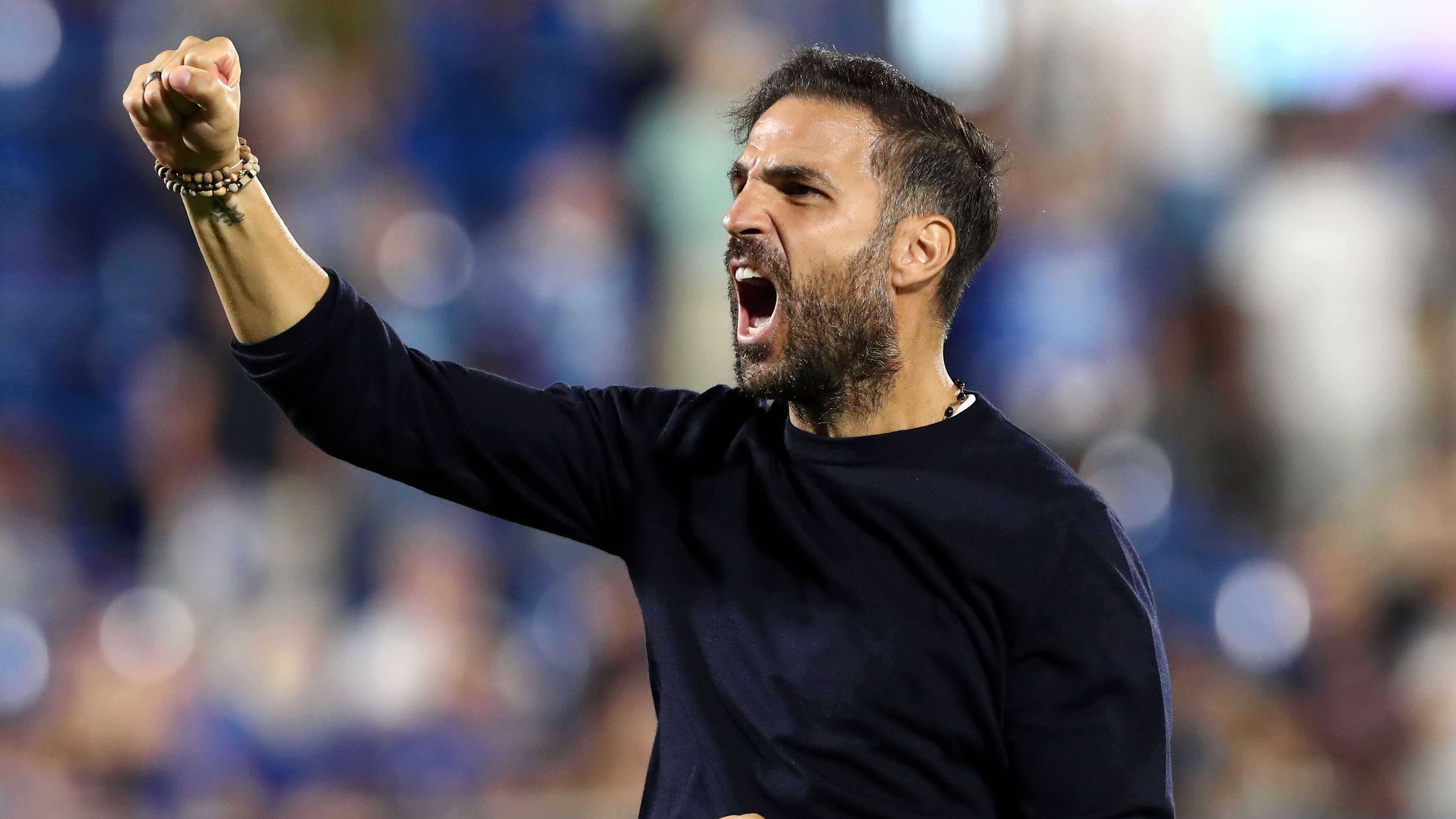
In the ever-evolving landscape of football, managers and players alike continually seek inspiration from successful clubs and tactical masterclasses. Cesc Fábregas, the renowned Spanish football legend and now a dedicated coach, has recently shared how his former club Arsenal has become a significant influence on his coaching philosophy. As he strives to transform Como into a formidable competitor in Italy’s top-flight Serie A, Fabregas looks to Arsenal’s strategic evolution as a blueprint for success.
From Player to Coach: Cesc Fabregas’s New Chapter in Italian Football
Transitioning from a decorated playing career to a managerial role is no small feat, especially when taking charge of a club aiming to establish itself in the highly competitive Serie A. Cesc Fabregas, known for his exceptional vision, tactical intelligence, and technical prowess on the pitch, is now channeling those qualities into his coaching approach. His recent leadership at Como, a club with a storied history but seeking renewed prominence, demonstrates his ambition to make a significant impact in Italian football.
Since taking the helm, Fabregas has been methodically shaping Como’s playing style, focusing on possession-based football, quick transitions, and tactical flexibility—elements that resonate deeply with Arsenal’s philosophy during their most successful periods. The former Gunners captain’s admiration for Arsenal’s tactical evolution offers a fascinating insight into his coaching mindset and his vision for Como’s future.
Recent Match Highlight: Como’s Hard-Fought 2-1 Victory Over Parma
One of the most recent and telling indicators of Fabregas’s promising coaching trajectory was Como’s narrow yet vital 2-1 victory over Parma. Played on a challenging Monday evening fixture, the match showcased Como’s tactical discipline, resilience, and attacking intent—hallmarks of Fabregas’s footballing philosophy.
The game was characterized by strategic ball circulation, pressing intensity, and quick counterattacks, all of which echo Arsenal’s style under different managerial regimes. Fabregas’s tactical adjustments during the match, including dynamic player positioning and emphasis on maintaining possession, played a crucial role in securing those three valuable points in Serie A’s fiercely competitive environment.
Drawing Lessons from Arsenal’s Tactical Evolution
So, what specific elements of Arsenal’s evolution does Fabregas draw upon to inform his coaching at Como? Arsenal’s journey over the past decade has been marked by a continuous quest for tactical innovation, blending technical finesse with strategic adaptability. From Arsène Wenger’s early emphasis on attacking football and possession to the more recent pragmatic approaches under different managers, Arsenal’s evolution exemplifies how adaptability and innovation are key to sustained success.
Fabregas points to Arsenal’s emphasis on building from the back, fluid positional play, and developing young talent as core principles that he seeks to emulate. His admiration for Arsenal’s ability to adapt their tactical approach based on the squad’s strengths and the specific challenges of each season provides valuable lessons for managing a club like Como, which aims to establish itself firmly in Serie A.
Predictions and Future Outlook for Como in Serie A
As Como continues to develop under Fabregas’s leadership, the football community is eager to see how the club’s tactical identity evolves and whether they can sustain their recent successes. Given the competitive nature of Serie A, predictions for Como’s future hinge on multiple factors—including squad development, tactical consistency, and the ability to adapt against top-tier opponents.
Many football analysts are now closely watching Como’s trajectory, assessing how Fabregas’s tactical insights and inspired leadership will translate into consistent results. The prediction models for Como’s league performance suggest that if Fabregas can maintain his innovative approach and foster a resilient, tactically flexible squad, the club could challenge expectations and possibly secure a mid-table finish or even push toward the upper echelons of Serie A in the coming seasons.
Implications for Football Prediction and Tactical Analysis
The rise of Como under Fabregas offers a compelling case study for football prediction enthusiasts and tactical analysts. The club’s approach exemplifies how modern football management emphasizes not only player skills but also the importance of tactical intelligence and strategic evolution. As Como’s style aligns with contemporary football trends—such as possession dominance, quick transitions, and pressing—predictive models are increasingly factoring in tactical adaptability to forecast match outcomes more accurately.
Moreover, Fabregas’s emphasis on tactical evolution, inspired by Arsenal’s journey, highlights the importance of strategic flexibility—a key component when analyzing potential football predictions for teams competing in top leagues. Observers now consider not just team strength but also managerial philosophy, tactical innovation, and adaptability as critical variables in forecasting results.
Looking Ahead: The Future of Como and Cesc Fabregas’s Football Philosophy
As Cesc Fabregas continues to shape Como’s footballing identity, the broader football community anticipates exciting developments ahead. His vision, rooted in Arsenal’s tactical evolution, demonstrates how former players can successfully transition into coaching roles by applying their football intelligence and strategic insights.
In the broader context of football prediction and analysis, Fabregas’s approach underscores the significance of understanding a coach’s tactical philosophy. For fans, analysts, and betting enthusiasts, recognizing the influence of tactical evolution can be the difference between accurate predictions and missed opportunities.
Ultimately, Cesc Fabregas’s journey in Serie A is a testament to his footballing intelligence and strategic mindset. As Como aims for sustained success, the football world will be watching closely—predicting, analyzing, and learning from this intriguing chapter in Italian football’s rich tapestry.
Conclusion
In conclusion, Cesc Fabregas’s commitment to transforming Como into a competitive force in Serie A is deeply rooted in the tactical lessons gleaned from his time at Arsenal. His focus on tactical evolution, possession-based football, and strategic adaptability embodies the modern football manager’s approach. As predictions for Como’s future unfold, it’s clear that Fabregas’s football philosophy could well serve as a blueprint for success in Italy’s top division. The journey of this talented coach and his team offers a captivating narrative for football fans and prediction enthusiasts alike, emphasizing that tactical innovation remains at the heart of football’s enduring appeal.