
Uli Hoeneß Commends Max Eberl’s Impact at Bayern Munich: A New Era in Football Strategy and Transfers
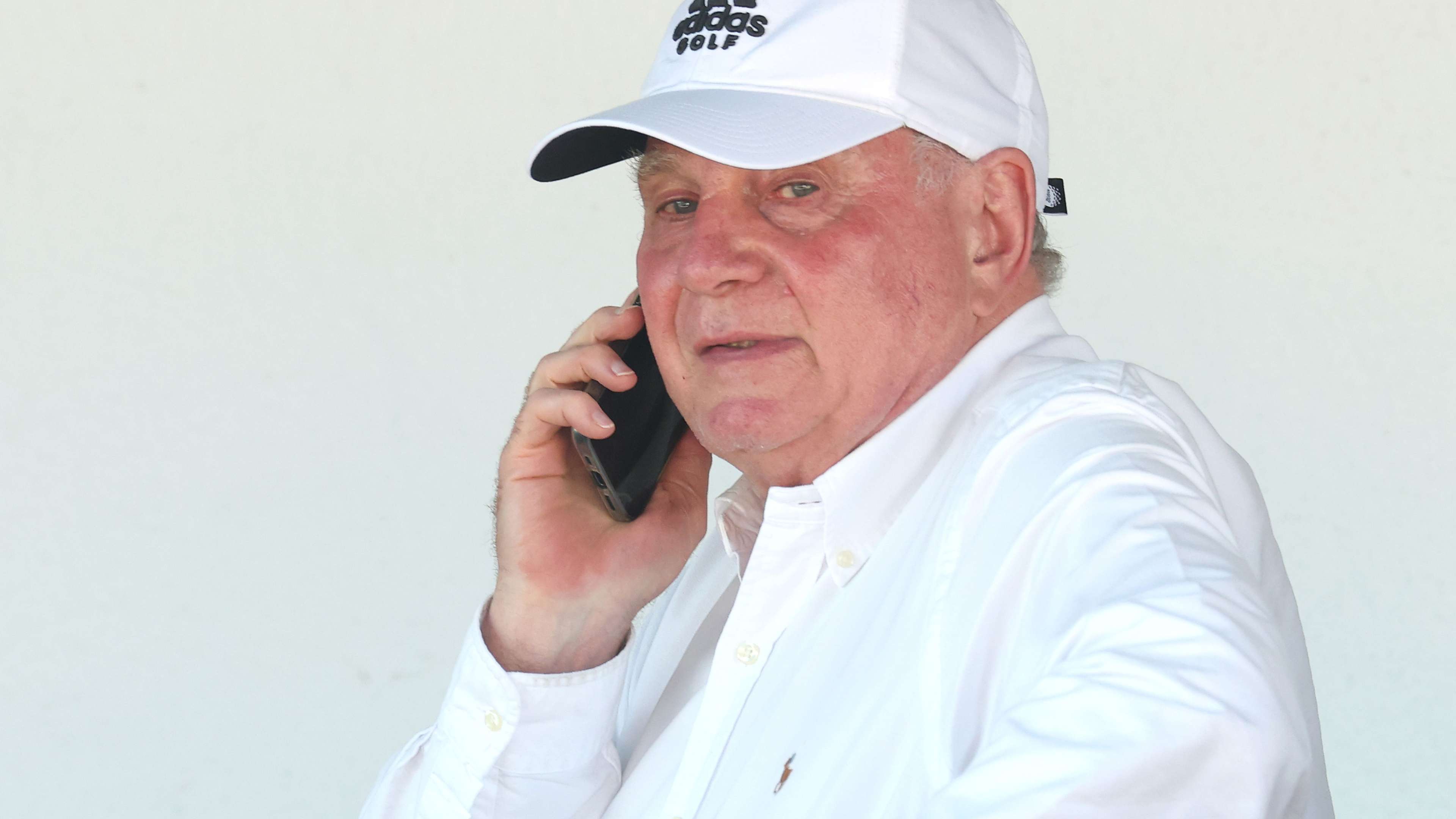
In a remarkable display of leadership and strategic foresight, Bayern Munich’s influential club patron Uli Hoeneß has publicly lauded the significant development of board member for sport, Max Eberl. The 52-year-old football executive’s early contract extension through 2029 signals not only confidence in his vision but also marks a pivotal moment in Bayern’s ongoing pursuit of excellence in football.
Max Eberl’s Transformation and Enhanced Communication at Bayern
Hoeneß expressed particular admiration for Eberl’s evolving role within the club over the past six months. Speaking at a prestigious gala celebrating the 80th anniversary of FC Bayern’s basketball department, Hoeneß highlighted how Eberl has become more transparent and engaged with the club’s leadership. “Max has opened up more within the club over the past six months,” Hoeneß stated, emphasizing the improved flow of information and collaboration.
This newfound openness has allowed Bayern’s senior figures— including Hoeneß himself, President Herbert Hainer, and former CEO Karl-Heinz Rummenigge—to stay better informed about club affairs, ultimately fostering a more cohesive management approach. Such transparency is increasingly vital in modern football, where strategic decisions about transfers, youth development, and club culture significantly impact success on and off the pitch.
Addressing Past Challenges: From Isolation to Integration
Interestingly, Hoeneß acknowledged that earlier in the year, Eberl’s role appeared more isolated, which was a concern for the club’s hierarchy. “We didn’t like that,” Hoeneß admitted, referring to Eberl’s initial distant stance. However, he credited the football executive with a fundamental change—transforming his approach and integrating more fully into Bayern’s decision-making processes. “He has fundamentally changed that. In that respect, he has done a superb job,” Hoeneß added.
This turnaround underscores the importance of adaptability and communication in football management. Eberl’s proactive efforts have evidently paid off, reinforcing his position within Bayern’s strategic framework and ensuring alignment with the club’s ambitious goals.
From Doubts to Confidence: The Evolution of Eberl’s Contract Negotiation
Earlier this year, Hoeneß’s stance on Eberl’s future was more cautious. Just before the DFB Cup final against VfB Stuttgart in late May, Hoeneß expressed some reservations, citing “doubts” about the board member’s work and rating his prospects for a contract extension at only a 60-40 chance. Back then, internal uncertainties seemed to cast a shadow over Eberl’s future at Bayern.
However, by July, during Bayern’s training camp at Tegernsee, Hoeneß’s perspective had shifted dramatically. Speaking with conviction, he declared that Eberl’s chances of securing an extension had risen to a full 100 percent. This rapid turnaround reflected not only Eberl’s improved internal standing but also Bayern’s confidence in his strategic contributions.
Managing Expectations and Internal Dynamics
Hoeneß candidly revealed the internal controversy surrounding his optimistic prediction. He admitted that his earlier statement about a 100 percent chance drew “enough trouble” within the club. “If I had said 80 percent that day, there would have been even more trouble. So that was an answer between the devil and the deep blue sea,” he explained, highlighting the delicate balance of internal communication in a football powerhouse like Bayern Munich.
Max Eberl’s Role in Bayern’s Summer Transfer Success
Beyond contract negotiations, Eberl’s influence is particularly evident in Bayern’s recent transfer strategy, which has garnered widespread praise across the football community. Hoeneß emphasized that Eberl played a pivotal role in executing Bayern’s summer transfer plan—an approach characterized by early and strategic acquisitions designed to maximize value and team cohesion.
Strategic Early Transfers to Maximize Value
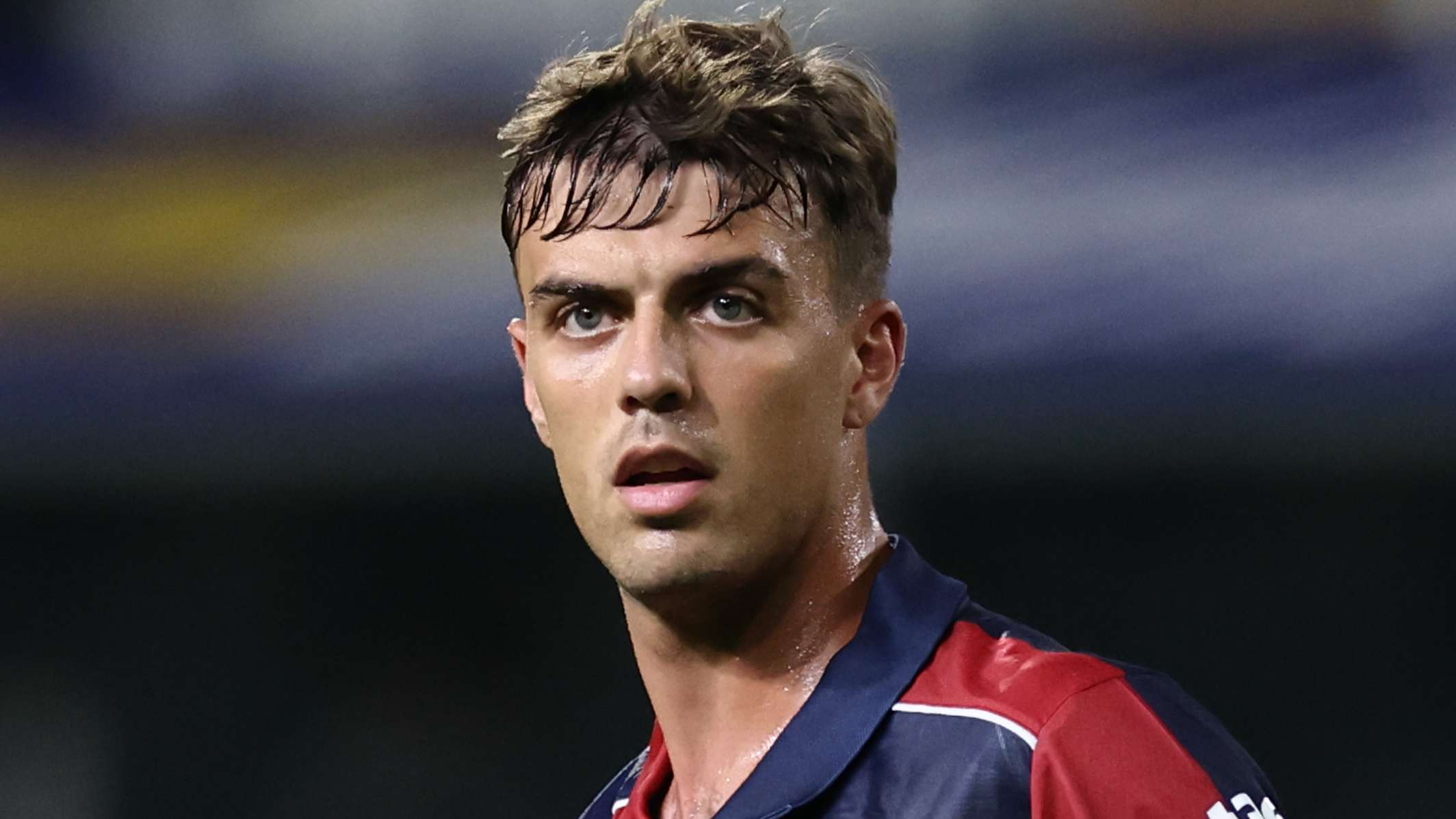
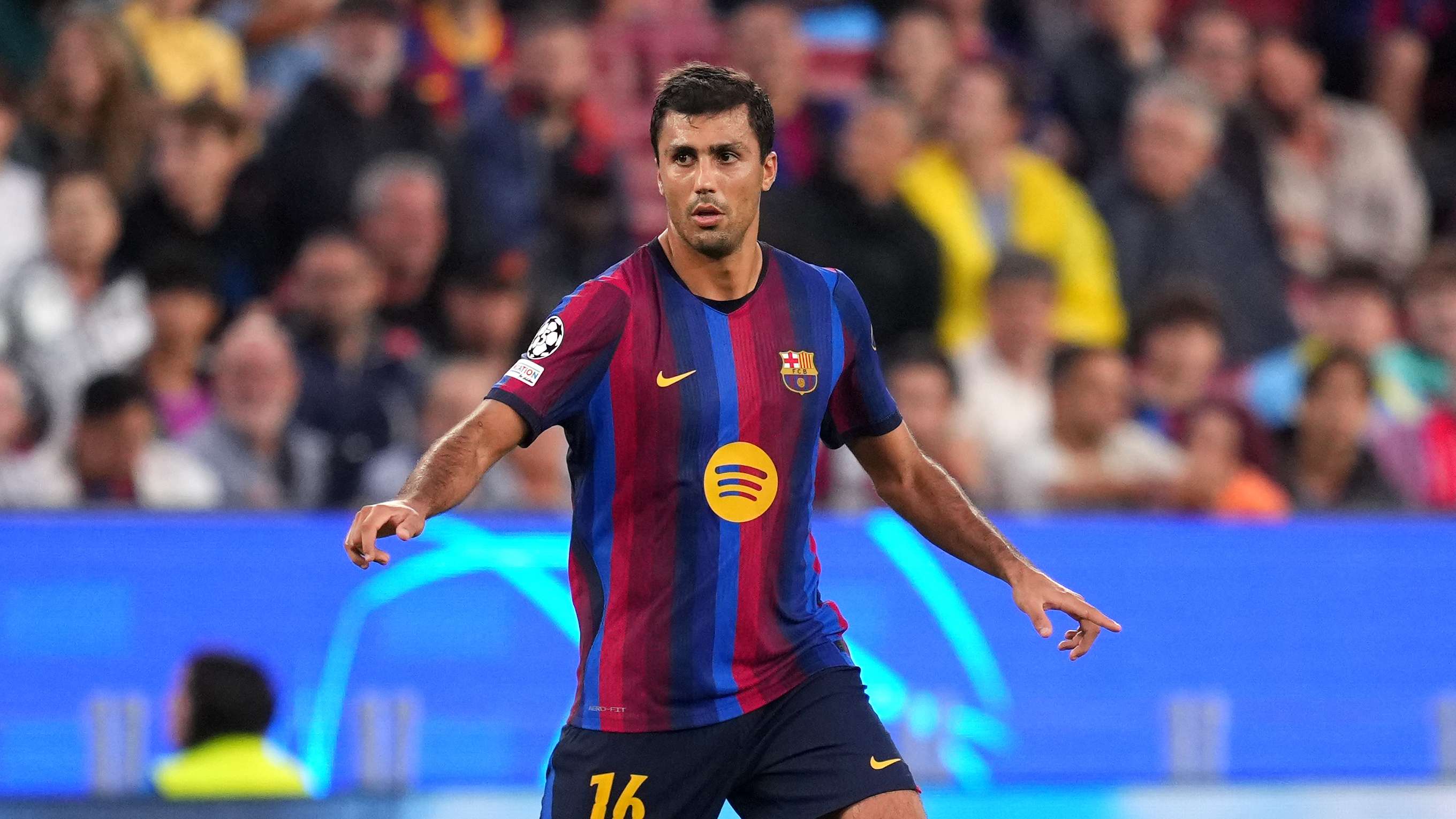
One of the standout elements of Bayern’s transfer window was the early signing of promising young talents Nathaniel Brown and Ismael Saibari, each acquired for €50 million at the beginning of July. Hoeneß highlighted that securing these players early was a deliberate decision rooted in strategic foresight. “He implemented our proposal 100 percent, namely to sign the players as early as possible, because they might be more expensive after the World Cup,” Hoeneß explained.
This proactive approach allowed Bayern to lock in key players ahead of a congested fixture schedule and the upcoming World Cup, which often drives up transfer prices. By acting swiftly, Bayern not only secured talented individuals but also managed their budget efficiently, avoiding inflated costs that often accompany last-minute negotiations.
Financial Savvy and Investment Management
Hoeneß detailed Bayern’s meticulous financial planning, revealing that the club’s transfer expenditure remained well within the budget set at the outset of the transfer window. While Bayern aimed to invest around €50 million, their actual spending was approximately €30 million—thanks to significant income from player sales, which totaled nearly €70 million. This strategic balance between expenditures and sales underscores Bayern’s disciplined approach to squad building, ensuring competitiveness without compromising financial stability.
Implications for Football and Prediction Models
As football fans and analysts scrutinize Bayern Munich’s transfer strategies and management decisions, this case offers valuable insights into the evolving landscape of football prediction and strategic planning. Accurate predictions about club performance, transfer success, and management effectiveness require a nuanced understanding of internal dynamics, leadership changes, and financial strategies—elements clearly demonstrated in Bayern’s recent approach.
The positive trajectory of Max Eberl’s integration into Bayern’s hierarchy could serve as a benchmark for other clubs aiming to optimize internal communication and strategic execution. Moreover, the club’s early transfer initiatives exemplify how timely decisions—predicted and executed with precision—can lead to sustainable success on the football pitch.
Conclusion: A Bright Future for Bayern Munich Under Strategic Leadership
Uli Hoeneß’s praise for Max Eberl reflects a broader confidence in Bayern Munich’s strategic direction. The club’s emphasis on early planning, transparent communication, and disciplined financial management exemplifies modern football management at its best. As Bayern prepares for another competitive season, the club’s leadership model and transfer philosophy could serve as a blueprint for success in the ever-evolving world of football prediction and club strategy.
With a strong leadership core and clear vision, Bayern Munich remains a formidable force not only in German football but also on the European stage. The ongoing development of key figures like Eberl signals a promising future—one built on strategic foresight, effective communication, and a relentless pursuit of excellence in football.