
Day 1 of Kabaddi at the 20th Asian Games: India Dominates as Action Kicks Off in Aichi-Nagoya
The opening day of the kabaddi competition at the 20th Asian Games in Aichi-Nagoya, Japan, delivered an electrifying start to the tournament, reaffirming the sport’s popularity and competitive spirit across Asia. As the competition unfolded from September 21 to 26, 2026, teams battled fiercely at the Tokai Citizens Gymnasium, setting the tone for what promises to be an intense and historic edition of Asian Games kabaddi.
India’s Men’s and Women’s Teams Lead the Charge
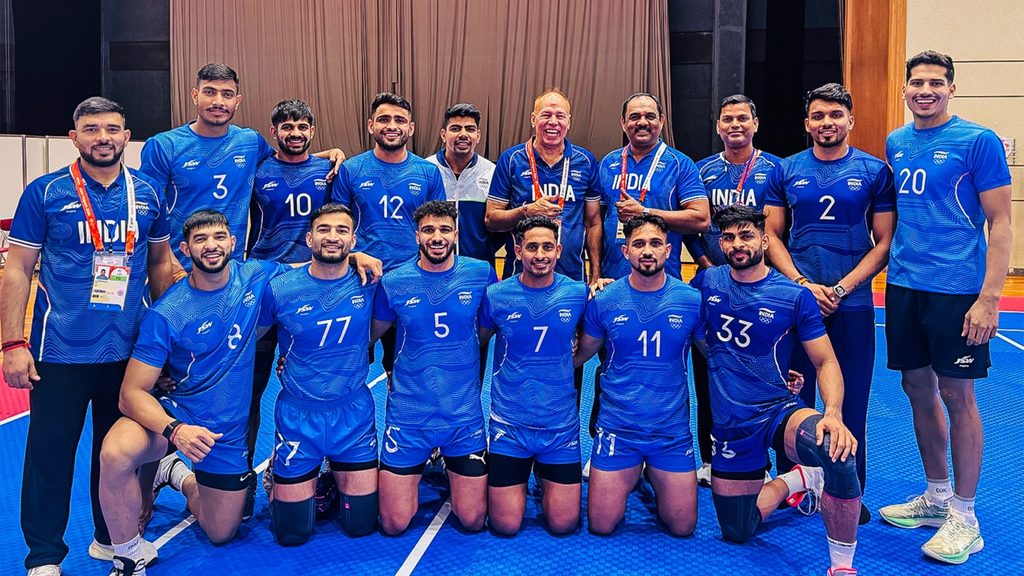
Undoubtedly, the spotlight was on India, the powerhouse of Asian Games kabaddi, which showcased its traditional dominance with commanding performances. The Indian men’s team opened their campaign with a convincing 49-24 victory over the hosts, Japan. The match saw India take control early, building a substantial lead that Japan struggled to bridge in the second half. This victory not only demonstrated India’s strength but also set a high benchmark for other contenders.
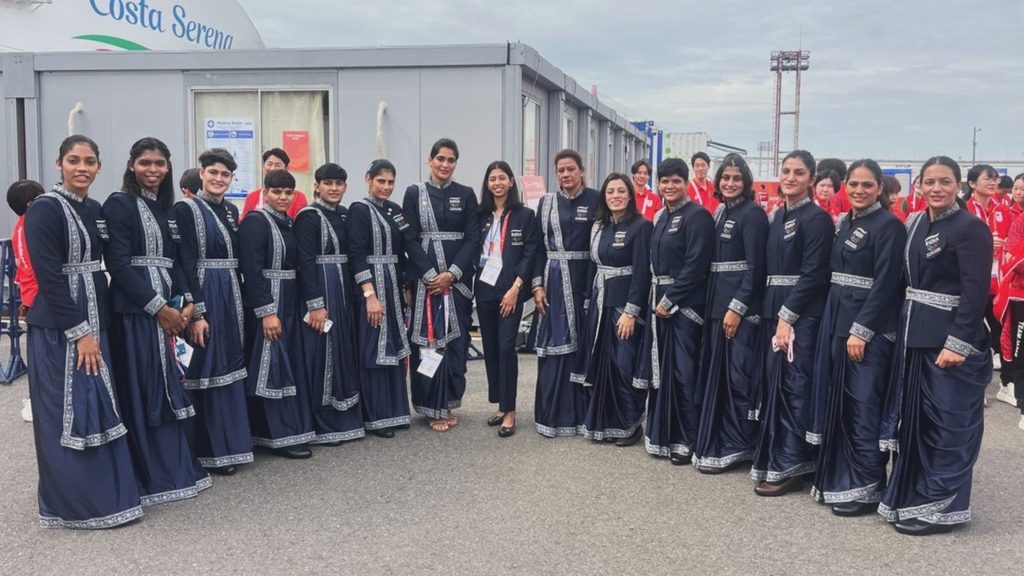
On the women’s side, India displayed their prowess with a comprehensive 42-21 win against Bangladesh. The Indian women’s team showcased tactical brilliance and physical endurance, securing their first win in the tournament and reaffirming their status as favorites to contend for gold once again.
Meanwhile, Bangladesh’s men’s team emerged as the surprise package of Day 1, securing two wins against Chinese Taipei (48-47) and Korea (39-35). Their impressive start marks them as a team to watch and signifies their rising stature in Asian kabaddi circles. Notably, Bangladesh’s men are the only side to have achieved two victories on the opening day, hinting at their potential to challenge traditional powerhouses.
Key Highlights from Day 1 Matches
- Bangladesh’s Men’s Team: The standout performers with wins against Chinese Taipei and Korea, showing resilience and strategic play.
- India’s Men’s Team: An authoritative win over Japan, with their captain Sunil Kumar leading from the front, and key players like Pawan Sehrawat and Arjun Deshwal displaying exceptional raiding skills.
- India’s Women’s Team: A strong debut victory, setting the stage for a potential deep run in the tournament.
- Korea and Japan: Both teams faced tough opponents, with Korea narrowly losing to Bangladesh and Japan suffering a heavy defeat against India, highlighting the competitive gap but also room for growth.
Looking Ahead: Exciting Matches Scheduled for Day 2
The action-packed schedule continues on Tuesday, September 22, with eight more matches slated across the morning and evening sessions. The day promises to deepen the tournament’s narrative, with high-stakes clashes that could shape the semi-final lineups.
Key Matchups to Watch
Men’s Kabaddi Highlights
India’s men’s team will face off against South Korea at 7:15 AM IST, a match that carries significant weight given Korea’s historical performances, including silver medals at Jakarta 2018 and Incheon 2014. The Korean team, known for their disciplined defense and agility, will be eager to challenge India’s dominance and secure crucial points early in the group stage.
Meanwhile, Iran, a formidable contender with a history of winning Asian Games gold, will make their tournament debut against Nepal at 3:00 PM IST. Iran’s men’s team, which clinched gold at Jakarta 2018, is a team to watch closely, especially given their strategic depth and physical prowess. Their upcoming match against Nepal, who faced tough losses on Day 1, could be pivotal in their quest for a medal.
Women’s Kabaddi Excitement Continues
The Indian women’s team is set to face Iran on September 23, after a rest day. Iran’s women’s team made a statement with a dominant 63-20 victory over Japan on Day 1, signaling their potential to challenge traditional favorites. This upcoming clash promises to be a thrilling encounter, with both teams vying for an edge in Group A.
The competition in women’s kabaddi remains fiercely contested, with teams like Thailand and Chinese Taipei aiming to make deep runs. Thailand, which has secured medals in previous Asian Games, will look to improve their standings after their Day 1 win against Nepal.
Understanding the Structure of the Kabaddi Tournament at the Asian Games
The kabaddi event at the Asian Games follows a well-structured format designed to ensure fair competition and exciting knockout phases. The tournament features ten men’s teams divided into two groups of five, and eight women’s teams split into two groups of four. The group stage runs from September 21 to 24, with each team playing every other in their group once.
Group Dynamics and Progression: The top two teams from each group advance to the semi-finals scheduled for September 25. Unlike some tournaments, there is no bronze medal match; both losing semi-finalists earn bronze medals, emphasizing the high stakes of each match.
The finals are scheduled for September 26, with the women’s gold medal match at 9:30 AM IST and the men’s at 2:30 PM IST. This setup ensures maximum excitement and spectator engagement, culminating in crowning the best kabaddi teams in Asia.
Key Teams and Contenders
- India: The most successful team historically, with 11 gold medals and a dominant record in both men’s and women’s categories.
- Iran: The only other country to have won Asian Games kabaddi gold, with strong squads in both categories, especially in 2018.
- Bangladesh and Pakistan: Emerging powers, with Bangladesh impressing in the men’s tournament and Pakistan consistently securing bronze medals.
- Korea and Japan: Traditional teams with dedicated programs aiming to improve their standings and challenge the giants.
Additional Insights and Context on Kabaddi’s Significance at the Asian Games
Kabaddi’s inclusion in the Asian Games since 1990 for men and since 2010 for women underscores its importance as a sport that embodies agility, strategy, and teamwork. The event attracts millions of viewers across Asia, with countries like India, Iran, and Pakistan often vying for supremacy. The sport’s popularity continues to grow, especially as new nations develop their programs and invest in training.
The 2026 Asian Games in Japan mark a significant milestone for kabaddi, which is seen as a bridge connecting traditional South Asian sports with the broader Asian sporting community. Hosting the event in Japan also reflects the sport’s expanding reach beyond its traditional heartlands, fostering greater international competition and cultural exchange.
Stay Updated: Live Scores and Results
This page provides live scores, results, and updates from every match on Day 2 of the kabaddi tournament. Fans and followers can stay informed about team standings, key performances, and upcoming fixtures. The tournament’s progress will be crucial in determining the semi-final lineups and eventual medal winners.
Frequently Asked Questions (FAQs)
When do the semi-finals and finals take place? The semi-finals are scheduled for September 25, with the finals held on September 26. The women’s final starts at 9:30 AM IST, followed by the men’s final at 2:30 PM IST.
Which teams are the favorites to win gold in kabaddi at these Asian Games? India remains the top favorite, given their historic dominance and recent form. Iran is also a strong contender, especially considering their previous gold medals and strategic depth.
How are the group standings decided? Teams are ranked first by wins. If teams are tied, net points (score difference across matches) serve as a tiebreaker, emphasizing the importance of both victories and margin of wins.
Final Thoughts: Anticipating a Thrilling Kabaddi Tournament
The opening day of kabaddi at the 20th Asian Games has set a high bar, with India reaffirming its supremacy and emerging teams demonstrating their potential. As the tournament progresses, fans can look forward to intense rivalries, breathtaking raids, and strategic defenses that define kabaddi’s appeal.
With the competition heating up, every match will be crucial in shaping the medals table. Stay tuned for live updates, expert analysis, and in-depth coverage as the best of Asian kabaddi teams battle for glory in Japan’s vibrant sporting arena.